Week Seventeen: Shell Beach Protected Area
We headed out to Shell Beach in Region 1, up near the coast of Venezuela, and it honestly felt like stepping into a different world, or at least a different rhythm of life. This is exactly the kind of experience I was hoping for when I said yes to this opportunity, and it exceeded every expectation I had. It reminded me of what real adventure feels like — not just in the sense of going somewhere new, but of being truly immersed in a place, its people, its ecosystems, and the stories that make it special.
Getting There: The Journey is Part of the Story
From the start, everything felt different, and in the best way. We left from a smaller airstrip, which gave the whole trip this old-school, almost retro travel vibe. It wasn’t like hopping on a commercial airline. You walk in, weigh your luggage… and then weigh yourself, because it’s a small plane and balance matters. The plane itself was a tiny 12-seater, and we were in the very front row, so we had a clear view of the pilot and all the controls. No curtain, no barrier — just us and the sky. That view alone was worth the early wake-up.
As we descended into Mabaruma, the capital of Region 1, we were flying so low over the treetops it felt like we could reach out and touch them. The airport was just a building on a hill, and you checked your name off a list to say you’d arrived. No formalities, no scanners, just trust and community.
We stopped for a classic Guyanese breakfast in town (shout out to the dhal puri with sausage, a culinary mashup I didn’t know I needed), and then headed off in a boat toward our destination: Almond Beach, part of the broader Shell Beach Protected Area.
Life on the Edge of the World
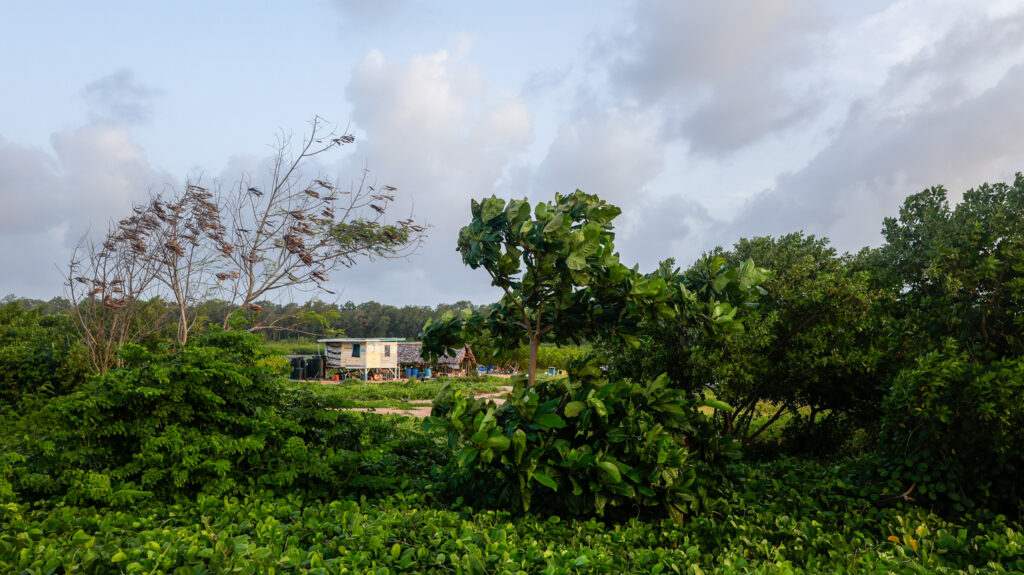
Shell Beach is made up of several zones, but Almond Beach is where the most turtle activity happens, so that’s where the rangers are based, and where we stayed for the week. The team had set up shared ranger accommodations and a few visitor tents. And let me tell you: tents in the tropics hit differently. I’ve camped before, but the heat here is no joke. Still, it was all part of the experience.
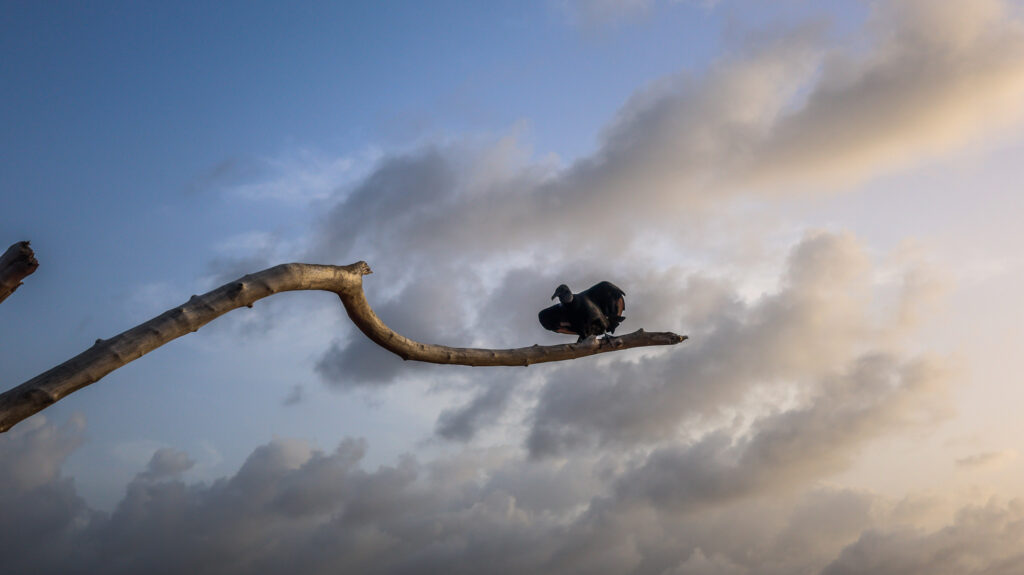
Each day was about learning, listening, and being present. We went on patrols with the rangers, joined their walks, and asked a lot of questions. I’m here to help tell their stories, and there’s so much to tell. The beach was stunning, wild and full of contrast. Driftwood, dense mangroves, crabs crawling out at dusk, and the ever-shifting coastline that changes with every tide. There’s an estimated 30-year erosion cycle here, and the landscape reflects that. It’s nature, raw and beautiful and in motion.
Turtles, Trust, and Long-Term Impact
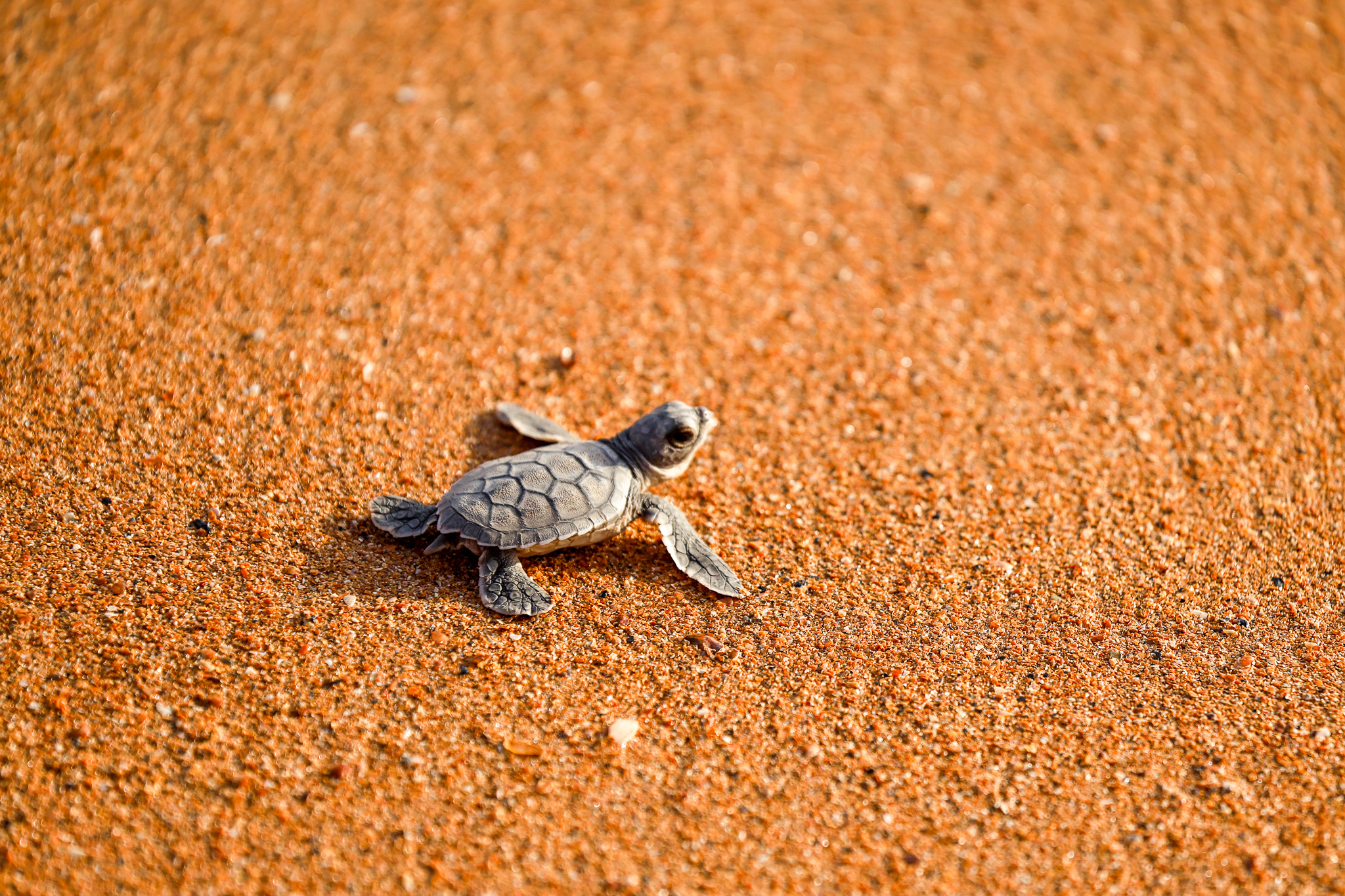
The highlight of the trip? Baby turtles, without question. Every night, we got to see hatchlings emerge, and even helped release them safely into the sea. Because of erosion, predators, and other risks, the rangers relocate some turtle nests to hatcheries, giving them a better chance of survival. But here’s the wild part: we won’t know how effective these efforts are for 20–30 years. That’s when today’s hatchlings will return to lay eggs, assuming they survive. It’s a long game. One that requires faith, persistence, and trust in nature.
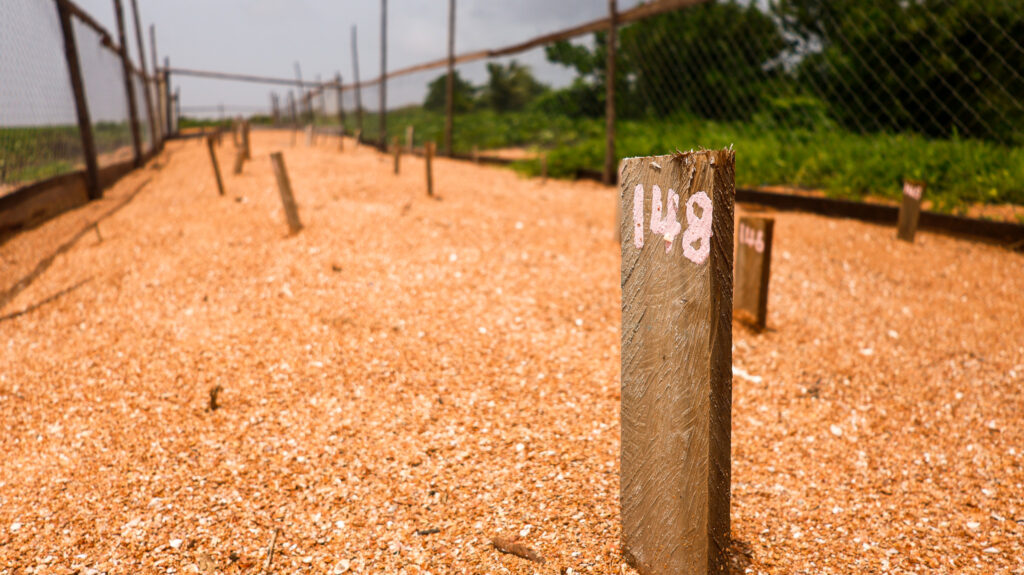
And that kind of work is humbling. It makes you think about your impact, your legacy, and what it means to plant seeds — or in this case, help protect hatchlings, knowing you might never see the full fruits of your labour.
Food, Friendships, and Field Stations
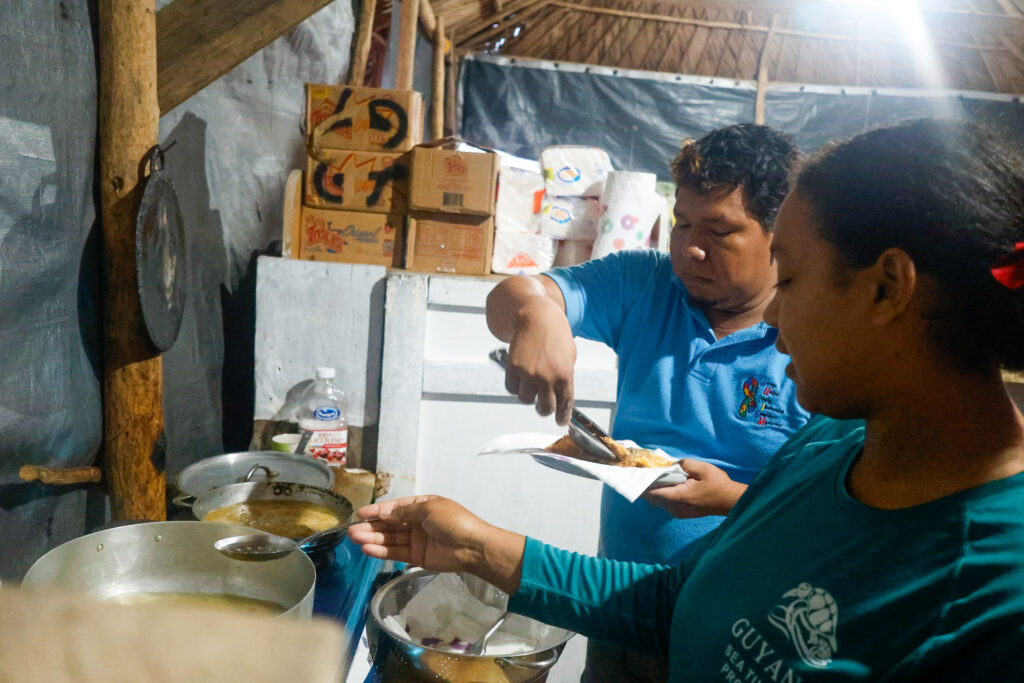
Shout out to Chef Ron, one of the rangers who also cooked every meal while we were there. . Pumpkin and shrimp curry? Unreal. Crab curry? Phenomenal. And to think all of it was made with love and local ingredients, in a hut on the beach, with a very basic kitchen and lots of effort
We also visited one of the new ranger outposts at Wine River, built in the last few years to support long-term research and monitoring. It was cool to imagine what could happen there in the future, visiting scientists, student researchers, maybe even local youth programs. I’d love to come back one day just to focus on photography, storytelling, and maybe some deeper conservation work.
Challenges and Lessons Learned
One thing I’m still working on? Wildlife photography. I’ve realized I don’t yet have the patience (or the right lens) for capturing animals in the wild. I’m used to photographing people, movement, moments, but animals? They don’t perform on cue. I want to get better at it, so I’ll be reaching out to some friends who are more experienced to get some tips. It’s all part of growing.
The Good, The Challenge, What’s Next
🤠 The Good: Shell Beach. The whole thing. The turtles, the team, the travel, every single moment reminded me why I’m here and why this work matters.
😱 The Challenge: Wildlife photography. It’s a new skill set, and I’ve got a long way to go. But I’m motivated to learn.
😎 What’s Next: Now that we’re back in Georgetown, it’s time to catch up. I’ve got meetings lined up with conservation organizations, especially some that operate independently from the government. I’ve also been procrastinating on a few things, time to change that. And of course, I’m starting to sift through the footage and photos from Shell Beach, and I can’t wait to share it all with you soon.
I’m feeling super grateful. I am grateful for this place, for this moment, and for the people who make it possible. If there’s one thing I’ve learned this week, it’s that sometimes the most powerful work we do is the work whose impact we may never see — and that’s okay.
Thanks for reading. Until next time.



No Comments