
Week Eighteen: Fighting for the Role of Storytelling
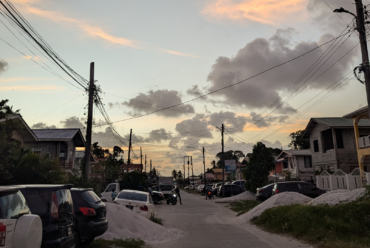
It’s good to be back — back in Georgetown, back in the office, and maybe most importantly, back to a bit of routine. After the incredible trip to Shell Beach, the contrast is real. My colleague (who’s also a parent to a toddler) and I were joking about how loud the city feels compared to the peace of the ocean. And honestly? It’s not a joke — it’s a full sensory shift.
That said, I’ve been grateful to settle into something resembling normalcy finally. After a few weeks of adventures, this was a bit of an “in-between” kind of week. The kind where you reset your habits, rebalance your schedule, and remind yourself what needs your attention next. For me, that meant carving out time for fitness again (the home workouts are back!) and starting to go through the hours of footage and photos we collected at Shell Beach.
From Turtles to Timelines
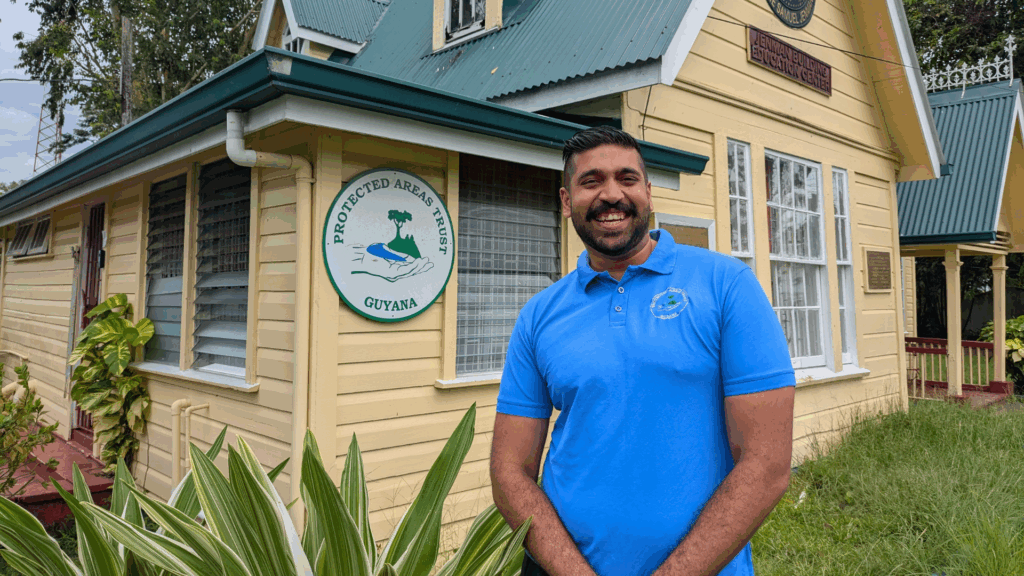
Now comes the fun (and pressure-filled) part: figuring out how to bring the Shell Beach story to life. What will the campaign look like? How will we use everything we gathered? It’s creatively exciting — but also logistically challenging. We’re currently short a team member, so I’m taking on more of the execution than planned. Still, that’s part of the challenge — and the opportunity — of being here. I get to help shape the work from both a creative and strategic angle. One step at a time, we’ll get there.
Big Thoughts on Small Teams
This week also gave me time to reflect on something I’ve been thinking about more and more: how do we scale communications efforts in nonprofit environments? I’m one of the first communications volunteers in this region, and while the need is clear, I’m realizing that the infrastructure to support communications as a core priority is often not yet in place.
There’s no shortage of talent here. I’ve met so many people who are passionate, creative, and skilled, but the challenge is sustainability. How do we create roles and pathways where communication is seen as essential, not optional? In nonprofits, especially conservation-focused ones, the work often speaks for itself. If the grants come in and the fieldwork is being done, marketing can feel like a “nice to have.” But in reality, it’s a key part of how organizations grow — and how they build long-term support, visibility, and pride.
Storytelling as a Growth Engine
One thing I’ve seen repeatedly is that when storytelling is embraced, it becomes a growth mechanism. It connects people to the mission. It inspires communities. It shows impact. It builds national identity and pride around conservation and sustainability — things we desperately need more of, especially in a world where environmental destruction is still the norm.
A lot of folks working in this space come from science or admin backgrounds, and they do amazing work with communications, considering it’s not their area of expertise. I give them a ton of credit. But at the same time, I keep coming back to this: you wouldn’t ask a scientist to do your finance, or your HR person to do your engineering. So why is it acceptable to expect people without a communications background to lead this function?
That’s where I see my role right now — not just in producing content, but in helping show that communications is its specialization. One that deserves attention, investment, and a place at the strategy table. If we want these organizations to grow, to reach new audiences, to build stronger networks, storytelling isn’t just part of the plan. It is the plan.
The Good, The Challenge, What’s Next
🤠 The Good: I finally managed to get a few solid workouts in this week. Feels good to be back in the rhythm, even if it’s just a few sessions at home. Wins are wins.
😱 The Challenge: Balancing priorities. With so many moving parts at work — and with a leaner team — it’s been a bit of a juggle to get everything done while still making space for creativity and strategy.
😎 What’s Next: It’s prep mode. We’re heading into the next phase of production and events for the Trust, and that means lots of content planning, logistics, and aligning across teams. It’s a lot — but it’s the kind of work I came here to do.
—
That’s it for this week. If Shell Beach was about immersion and inspiration, this week was about integration — bringing the lessons back into daily life, and pushing forward with purpose. Thanks, as always, for reading.







No Comments