Storytelling Throughout the Ages: Interview with Kelsey Boyce
Creative Conversations: Kelsey Boyce on Strategy, Storytelling, and Blueberry Bushes
Interview by Suneel Mistry
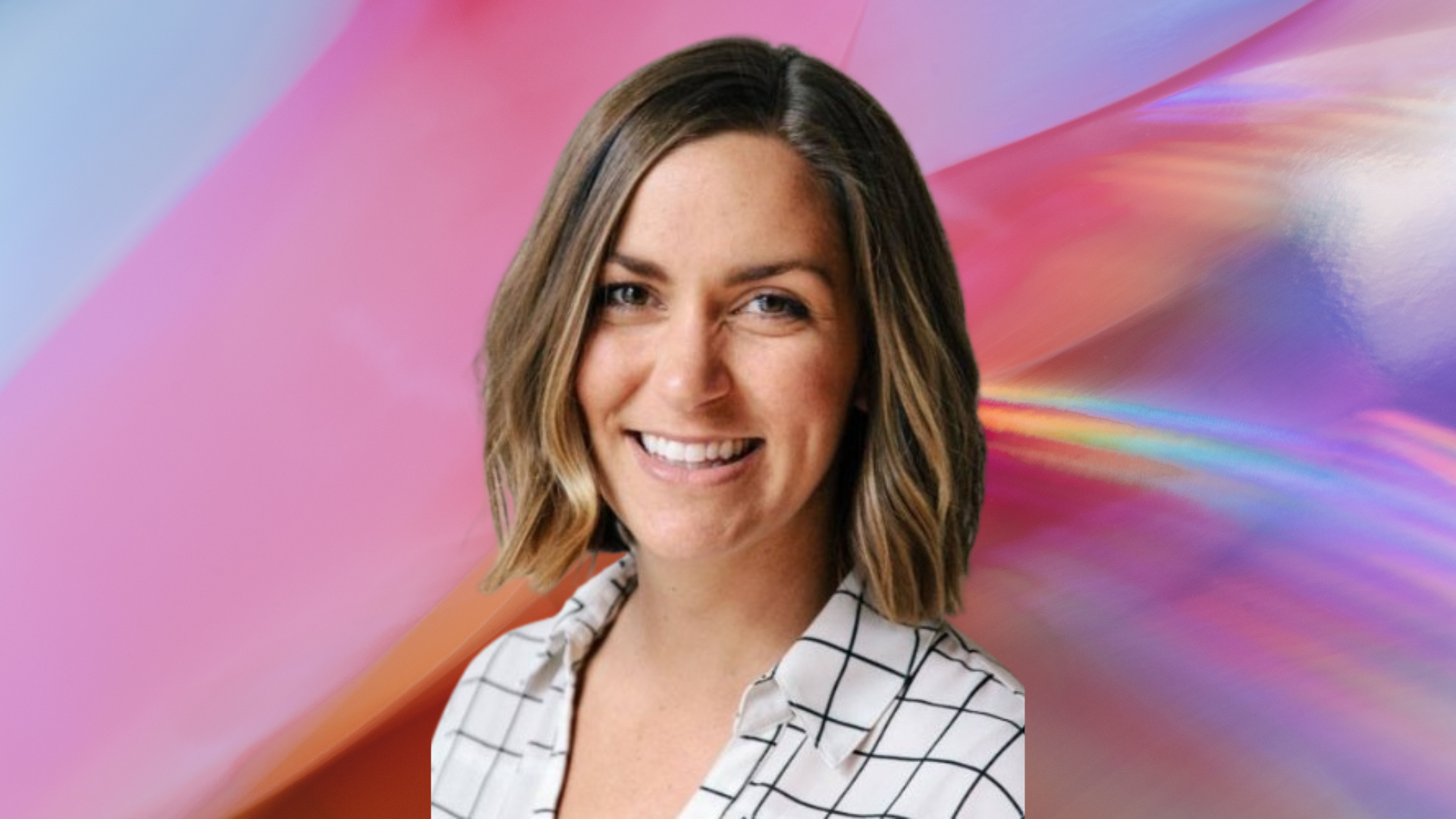
Kelsey Boyce has worn a lot of hats. Designer, strategist, account director, and that’s exactly what makes her so good at what she does. Currently working at Seattle-based creative agency Graphiti Associates, Kelsey brings together a rare balance of creative thinking and marketing know-how. In this wide-ranging conversation, we talk about design, storytelling, AI, and why sometimes the most exciting thing on your calendar might be the blueberries growing in your backyard.
Suneel Mistry: Thanks for joining the conversation, Kelsey. How are you doing today?
Kelsey Boyce: I’m good. I’m heading to the Oregon coast for vacation soon, so this is my Friday. You caught me on a great day.
Suneel: Wednesday’s a Friday if you believe hard enough. So the idea here is just creative people talking to creative people. Do you mind sharing your name, role, and a bit about your background?
Kelsey: Sure. I’m Kelsey Boyce, an Account Director at Graphiti Associates, a full-service creative agency in the Seattle area. In my role, I’m the liaison between our clients and our internal teams, designers, developers, copywriters, and strategists. I maintain the client relationship, dig into their problem sets, understand their audiences, and then build a team that’s the right fit to help solve those problems.
Suneel: Sounds like you wear a lot of hats.
Kelsey: Definitely. I started in design, graduated from a competitive program at the University of Washington. Then I worked as a junior designer for a bit before leaning more into strategy. I bounced between small creative agencies doing project management, biz dev, and other support roles before jumping over to K2, the ski company. I ran global marketing for their snowshoe division. It was a small team, so I got to touch everything: CRM, email, social, ambassador programs, trade shows, catalogues, and even product line planning with engineering and sales.
Suneel: That’s wild. And I feel like that background shows in how you think through things now.
Kelsey: For sure. I learned to think about both sides of the puzzle, execution and big-picture strategy. I can speak marketing, speak design, and help everyone understand each other. Communication is a huge part of what I do.
Suneel: So often, people split design and strategy into separate silos. What’s your take?
Kelsey: I wish they were more integrated. A lot of orgs silo them, especially as they grow, but real cohesion happens when those groups work together. PR, paid media, and creative everyone brings something valuable. And synergy! Yes, I know it’s a ’90s buzzword—but it’s still a good one.
Suneel: Agreed. Every piece of the puzzle matters.
Kelsey: Totally. And it’s not just about staying in your lane. It’s about respecting that others have different but equally important perspectives. The same goes for writing; everything can’t just be SEO-optimized, or it reads like a robot wrote it. We’ve got to find the balance between technical and emotional.
Suneel: Do you see any trends in design or marketing that you’re particularly excited or skeptical about?
Kelsey: So many micro-trends happening at once. It’s hard to say what’s truly trending anymore. But I am glad to see brands swinging away from that cookie-cutter tech branding, everything sans serif, Helvetica, zero personality. There’s a return to brand identity, which is refreshing. AI is huge. It’s not about AI killing creativity. It’s about learning how to harness it well. If you feed it the right inputs, it can be powerful. But cheap prompts give you cheap output. You have to craft it with care.
Suneel: Yeah, you start to recognize the AI “voice” after a while.
Kelsey: Exactly. And the real skill now is prompting. Understanding how to build context for AI so it responds like a creative collaborator. I’m spending time experimenting with that, figuring out how to make it sound more human, more intentional.
Suneel: Are there any skills, technical or soft, that you’ve found essential in your career?
Kelsey: My early training in design thinking and UX was big. Back then, the terms weren’t even solidified yet, but it was all about understanding the user and solving real problems. It taught me to design with purpose, and that approach translates to marketing too. Who’s your audience? What are their challenges? What’s the target outcome? Whether it’s a product or a campaign, it’s about improving the journey.
Suneel: I feel like a lot of people rush to tactics before defining the actual problem.
Kelsey: Totally. It’s about guiding people to slow down, clarify the problem, and build from there. And soft skills? Communication, for sure. Especially in industries with their jargon. I have clients working in complex photonics tech and my job is translating that into something relatable to non-engineers.
Suneel: You’ve worked with global and local clients. How do you adjust your approach?
Kelsey: With global clients, you’re looking for the lowest common denominator that unites people across regions. Local’s the opposite: it’s all about specificity and making it feel personal. Like, what’s that inside joke only locals will get? That kind of thing makes it real.
Suneel: Right. Like watching a movie set in New York but filmed in Toronto, you know it the second you see the street signs.
Kelsey: Exactly! All the Seattle-set shows are filmed in Vancouver. Locals always catch it.
Suneel: What’s something cool or fun you’ve come across recently in marketing?
Kelsey: I went to a conference hosted by Movable Ink in New York. They’re doing wild stuff in email personalization. They integrate live data into emails, so if you get a frequent flyer update, the miles change every time you open it. Now, they’re launching this agentic AI email platform that lets you input strategy and rules, and then it writes and sends optimized emails over a month, like programmatic ads, but in your inbox. It’s wild.
Suneel: That’s amazing. And yeah, everything’s getting more personalized and faster.
Kelsey: It’s moving so fast it’s hard to keep up. But personalization, voice automation, and even video tools like HeyGen are letting people clone their voice and appearance to scale content creation. It’s terrifying, but also really exciting.
Suneel: OK, let’s end with something light. What’s good, what’s challenging, and what’s next for you?
Kelsey: Good: ripe blueberries on my bushes at home. Challenging: keeping up with everything—there’s just so much going on. But conversations like this help. We share ideas, pass along things we’ve heard. That’s important. What’s next? Honestly, just enjoying summer. I’m trying to live in the moment. But five years from now, I know my job will be very different—and that’s both scary and exciting.
Suneel: I love that. Summer, as a next step is perfect.
Kelsey: Yeah, exactly. Just being present.








No Comments