
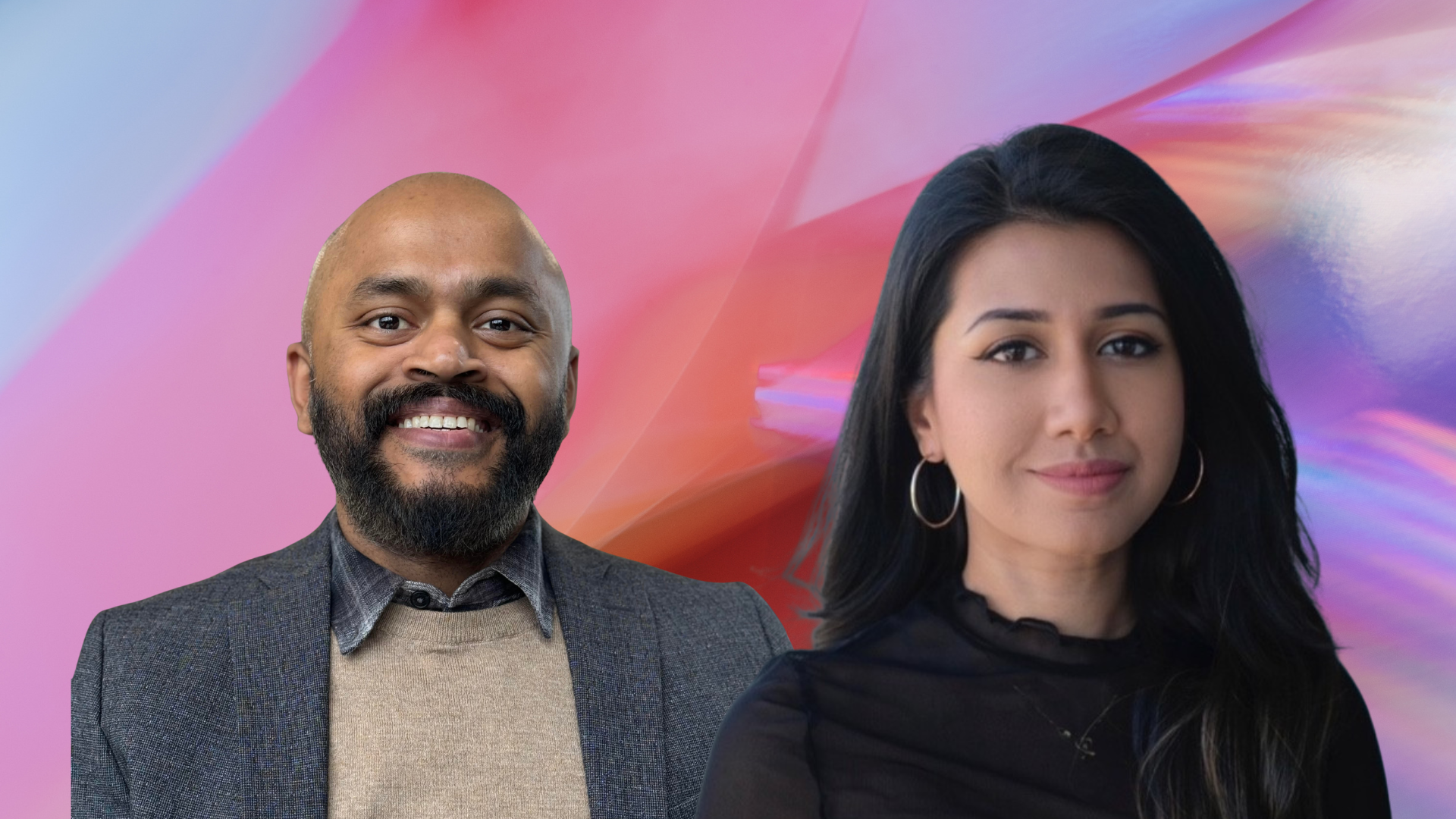
Interview with Ashmita Ray and Fahim Khan: The Hackathon Review
Beyond the Brief: Three Marketers on Strategy, Inclusion, and the Ideas That Stick
Hackathons are usually associated with engineers and product teams. But in marketing, the format can reveal something just as interesting. What happens when strategists are given a real problem, a limited amount of time, and the freedom to think beyond the brief?
That was the setting for a recent marketing hackathon that brought together professionals from across the industry to rethink how brands connect with Canada’s changing audiences. Among them were strategist Ashmita Ray, advertising strategist Fahim Khan, and marketer Suneel Mistry, who spent several intense days collaborating on ideas about inclusion, storytelling, and the future of the industry.
A few weeks after the event, the three sat down again to reflect. The conversation ranged from personal journeys into marketing to how strategy differs across countries, what the hackathon revealed about representation in Canada, and why human stories still matter in an increasingly AI-driven world.
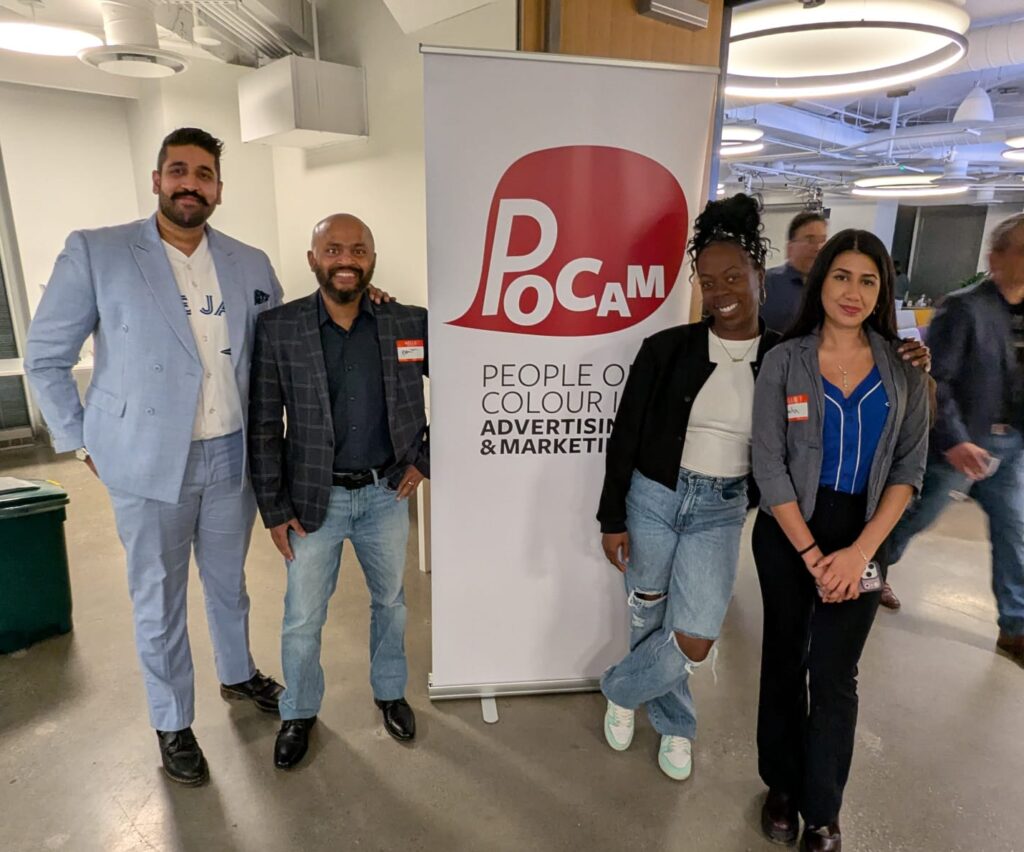
Interview
Suneel Mistry:
First of all, thank you both for joining. It’s been a couple weeks since the hackathon, and it’s strange not seeing each other every few days while we were working on it. This feels like a good moment to check in after the intensity of the event.
To start, introduce yourselves and tell me what originally drew you into marketing.
Ashmita Ray:
My name is Ashmita. I’m a strategist and I’ve been working in the industry for around eight or nine years. What pulled me into marketing, and especially strategy, was the ability to combine data and research with creativity. You get to analyze people’s behaviour and then translate that into something that resonates with them emotionally. That balance between analytical thinking and creativity is what really keeps me interested in the field.
Fahim Khan:
My name is Fahim. I have been working in advertising for almost a decade. I started in Bangladesh before moving to Canada in 2019. What attracted me to marketing was the idea that communication is really about people. If you observe people, you start to understand how they think, what motivates them, and what challenges they face. Strategy lets you use that understanding to solve problems. When the work is done well, it can actually make life a little easier or more meaningful for someone. For me, that combination of understanding people and solving problems is what makes the job interesting every day.
Suneel:
Fahim, you mentioned starting your career in Bangladesh, which is a very different market. What was the industry like when you first started, and how does that compare with working here now?
Fahim:
I began in account servicing around 2009. At that time, strategy was not as defined a role as it is today. Creative teams and account teams would work together and strategy would naturally emerge from those discussions. Over time, as problems became more complex and clients needed deeper insight, strategy became its own discipline. In Bangladesh, we relied a lot on direct observation. I grew up there and understood the culture very well, so many insights came from everyday experiences. I would travel by bus or public transport and simply watch how people behaved, how they talked, what mattered to them.
Here in Canada, things are much more structured and data-driven. You rely more on reports, research, and secondary data. Both approaches have value. In my earlier teams we would often go out and talk to people directly, film interviews, and build campaigns from those real conversations. That kind of field insight still shapes how I think about strategy.
Suneel:
Ashmita, your work has focused a lot on brand experience marketing. How do you see marketing evolving today?
Ashmita:
I started in a fairly traditional agency environment where the focus was mostly on familiar channels like TV or social media. Over time I’ve seen the definition of marketing expand far beyond those spaces. In the past few years I’ve worked more in brand experience marketing, which looks at how brands can build deeper relationships through different platforms and technologies.
That might include things like interactive experiences or even virtual environments where people can explore a brand in different ways. For example, building gamified worlds where audiences can interact, shop, and discover different aspects of a brand. What’s interesting is that these experiences might not look like traditional advertising, but they still communicate the brand’s values and personality. They create a relationship that goes beyond a single message or campaign. With emerging technologies and AI, the possibilities for how marketing shows up in people’s lives keep expanding.
Suneel:
That idea of connection across different touchpoints is really interesting. Fahim, from your perspective as a strategist, how do you think about connecting those pieces?
Fahim:
For me it always begins with the customer journey. Every step in that journey has its own challenges and opportunities. You need to ask what problem the customer is facing at each moment and which channel is most relevant to help solve it. Relevance is the keyword. At the same time the industry needs constant innovation. Platforms evolve quickly. For example, look at how YouTube advertising has changed. At first ads were easy to skip, then platforms introduced premium subscriptions, and now they are experimenting with new formats that appear throughout the video experience. Marketing always requires both strategic thinking and experimentation.
Suneel:
We’re seeing a lot of technology entering the industry right now, especially with AI. But despite that shift, storytelling still seems central to marketing. What kinds of stories resonate most with you today?
Fahim:
Technology is changing everything, but human stories remain the most powerful. If you look at some of the most memorable campaigns from brands like Apple or Nike, they often focus on emotion. They are about people overcoming challenges, finding inspiration, or connecting with others. At the end of the day we are still communicating with human beings. Understanding their emotions and relationships will always be the core of effective marketing.
Ashmita:
I completely agree. Right now if you open any news site or social media platform, the conversation is dominated by technology and AI. Those topics are important, but sometimes they overshadow the human element. Good storytelling comes from empathy. It comes from understanding how people feel. Anxiety, hope, excitement. Those emotions are what make a story meaningful.
Sometimes the industry becomes so focused on speed and efficiency that we forget about that emotional layer. But real people are still the ones experiencing these brands and products every day. Marketing should never lose sight of that.
Suneel:
Let’s talk about the hackathon itself. One of the challenges we were given was to “think big” about the future of Canadian marketing. What stuck with you most after the event?
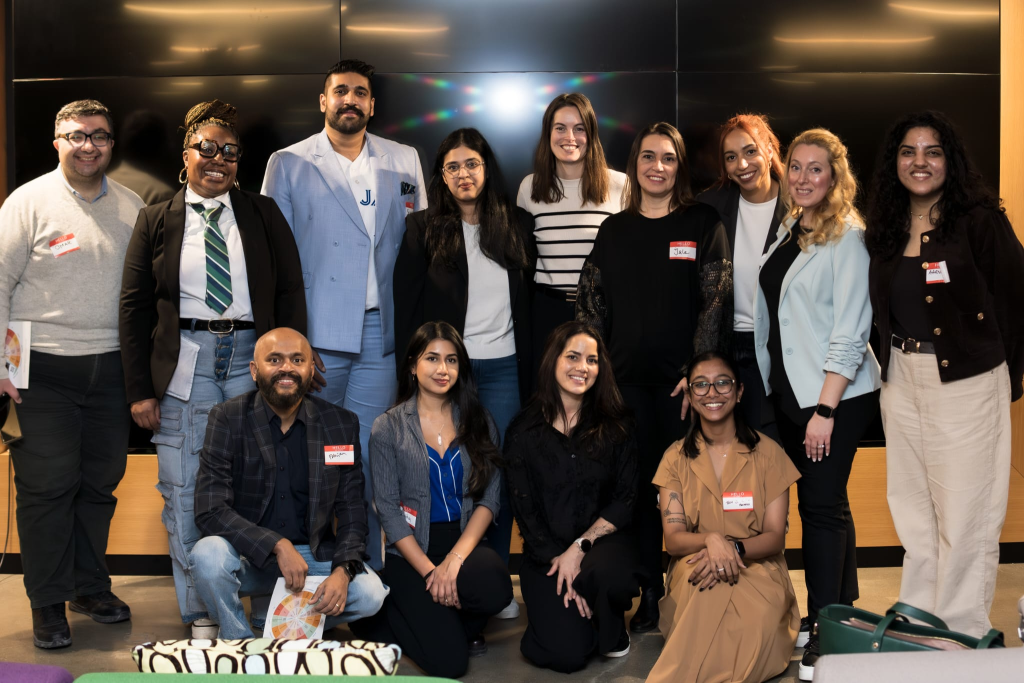
Ashmita:
For me, it was the conversation around implementation. There were so many thoughtful ideas about diversity, representation, and inclusion. But the real challenge is figuring out how those ideas translate into everyday work inside agencies and organizations. It’s inspiring to be in a room full of people discussing big concepts. The next step is bringing that energy into our daily workflows and finding practical ways to apply it.
Fahim:
Most of the time in advertising, the brief is simple. Increase sales. Promote a product. This hackathon was different because the focus was on values. We were talking about how diversity shapes the identity of Canada and how marketing can reflect that reality. That made the project feel very meaningful to me. The challenge now is how the industry continues the conversation beyond the event itself.
Suneel:
One of the statistics that came up during the research really stood out to me. Roughly one in five Canadians is an immigrant. That completely changes how brands should think about audiences.
Ashmita:
Exactly. Inclusion is no longer symbolic. It’s not about checking a box. These communities are real audiences with real purchasing power and cultural influence. If brands ignore them, they’re missing an enormous part of the market.
Fahim:
I saw that shift personally. When I first joined an agency here, I was the only person of colour on my team. Over time, more diverse voices joined. Eventually, the company began celebrating holidays like Diwali and Ramadan. Those changes might seem small, but they signal that the culture is evolving.
Suneel:
Beyond marketing skills, what soft skills have been most important in navigating the industry today?
Fahim:
Adaptability is probably the most important. The industry is changing rapidly because of technology. AI is influencing workflows and even replacing certain tasks. To succeed, you need curiosity and a willingness to keep learning. Being adaptable allows you to grow with those changes instead of resisting them.
Ashmita:
For me, it’s confidence and advocacy. Sometimes people have great ideas but hesitate to speak up. Being able to clearly express your perspective and stand behind it is a powerful skill. If you care about an issue, whether it’s representation or innovation, you have to be willing to voice that opinion and help push the conversation forward.
Suneel:
A lot of people outside the industry have a very glamorous perception of marketing because of shows like Mad Men or Emily in Paris. What do you think people misunderstand about the profession?
Ashmita:
One big misconception is that marketing is just about coming up with a clever idea. In reality, it’s much more strategic than that. Marketing is about showing up throughout the entire customer journey. It’s about building familiarity and trust over time so that when someone is ready to make a purchase, your brand already feels meaningful to them. That process involves research, planning, collaboration, and constant iteration.
Fahim:
Exactly. People often see the final ad and think the process must have been simple. But most campaigns are the result of teamwork and a lot of hard work behind the scenes. It’s not just one person’s idea. It’s the combined effort of strategists, creatives, researchers, and clients working together.
Suneel:
Before we wrap up, I have one last question. What’s something that feels good right now, something that feels challenging, and what might be next for you?
Fahim:
The biggest challenge for me right now is understanding how to stay empowered in an AI-driven world. Technology is advancing quickly, and sometimes it raises questions about the future of certain roles. But I believe the key is continuing to focus on human insight and creativity. Outside of work I’m also exploring personal passions like photography or even coffee making. Sometimes pursuing something you love can open unexpected opportunities.
Ashmita:
There are political, social, and technological changes happening all at once. But challenging moments also create energy for change. People become motivated to rethink old systems and experiment with new ideas. That’s what I’m excited about. Being part of a generation that can redefine what it means to work, collaborate, and create meaningful impact.
Suneel:
That feels like a great place to end. Thanks again to both of you for the conversation.


No Comments