
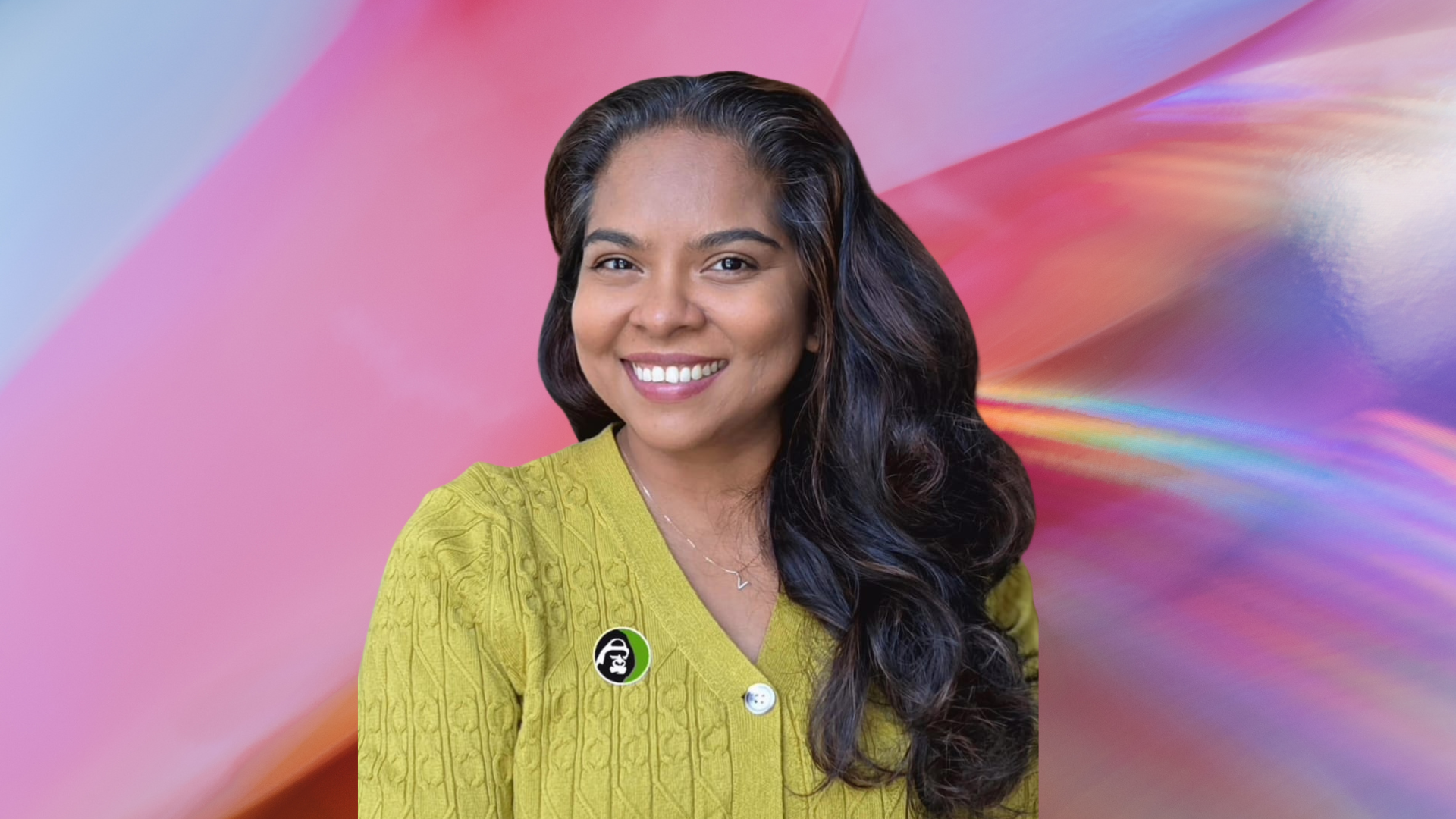
Interview with Vidya Sanichara: Where Communication Meets Conservation
Conservation work is often discussed in terms of science, policy, and funding, but far less attention is paid to the role of communication in making that work visible and meaningful. In this conversation, Vidya Sanichara reflects on her path from broadcast media into conservation, the importance of being present in the field, and the challenge of translating technical work into stories that resonate with both local communities and international audiences.
Suneel Mistry: Thanks for joining me. Just to kick things off, could you share your name and what you do?
Vidya Sanichara: My name is Vidya Sanichara, and I’m the Senior Communications Officer at the Frankfurt Zoological Society in Guyana.
Suneel: Thanks for joining me. We’ve been meaning to have this conversation for a while, and we’ve already worked together over the past year. I’d love to start at the beginning. How did you find your way into marketing and communications, and where has that path led you today?
Vidya: My journey into communications really started at university. I enrolled in a Bachelor’s degree in Communications, which pushed me into the field professionally. I began in broadcast communications at NCN, Guyana’s state-owned media network. I worked there for about six years, starting as an intern and eventually becoming a television and radio producer.
From there, I moved into the private sector, first working in communications at the Bank of Guyana, and then transitioning into marketing communications at Digicel, the telecoms company. I spent about nine years there, still very much rooted in communications work.
Alongside all of that, I’ve always had a strong personal interest in nature, conservation, and the environment. When the opportunity came up to apply for a communications role at the Frankfurt Zoological Society, I went for it. I’m now in my third year working in conservation communications, and it’s been an exciting shift. Conservation itself was new to me, but it’s incredibly engaging. I get to see my country in ways most people never do, and I get to tell those stories firsthand.
Suneel: For readers who might not be familiar, can you explain what NCN is and the role it plays in Guyana?
Vidya: NCN is the National Communications Network, Guyana’s state-owned media organization. It operates across most regions of the country, with television and radio stations serving different areas. It originally started as GTV, the government television broadcaster, and later merged radio and television under the NCN umbrella.
I worked on the television side as a producer, which meant scripting, going into the field to gather footage, filming, editing, and shaping stories for broadcast. That hands-on experience really formed the foundation of my career.
Suneel Mistry: Do you still see that early broadcast experience showing up in the work you do now?
Vidya: Absolutely. Those were my foundation years. In my current role, I’m producing written content, social media materials, and documentaries. The practical skills I developed at NCN come into play every day. Now, though, I’m using them to tell stories about conservation and biodiversity. There’s a lot of meaning in that for me, especially when it comes to raising awareness around protected areas and environmental work in Guyana.
Suneel: Conservation can feel like such a broad topic. What kinds of stories do you personally gravitate toward?
Vidya: I’m most drawn to human interest stories, especially where people, biodiversity, and sustainable livelihoods intersect. When I’m in the field, I see how Indigenous communities and people living around protected areas depend on forests, rivers, and mountains to sustain themselves in responsible ways.
Working closely with the Protected Areas Commission allows us to understand how people live, where their materials come from, and how they coexist with wildlife. Sometimes that coexistence comes with challenges. For example, there was a recent situation involving a puma in a village called Moco Moco near the Kanuku Mountains. From a conservation perspective, the question becomes how to protect wildlife while also keeping communities safe. Those are the kinds of stories that matter to me.
I also want people to understand that Guyana is much more than Georgetown or the coast. The interior, especially areas like the Kanuku Mountains Protected Area, is filled with vast landscapes, forests, valleys, and communities that continue to thrive sustainably. Being able to share those realities is incredibly important.
Suneel: That really resonates with me. Spending time across the country has made it clear that Guyana has so many distinct ecosystems that feel almost like different worlds.
Vidya: Exactly. The beauty of Guyana is in those far-flung interior regions. Being able to share that through visuals and storytelling brings me back to my roots in television production. It feels like everything has come full circle.
Suneel: As someone who now works closely with conservationists, what have you learned from balancing conservation science with storytelling?
Vidya: One of the biggest lessons has been learning how to balance people, biodiversity, and economics. In Guyana, activities like mining have real economic value, but they also affect biodiversity and habitats. You can’t tell the story from only one side.
To communicate responsibly, I’ve had to learn more about opportunity costs, habitat loss, and sustainable development. My goal is to tell the story holistically, without leaning too heavily in one direction and ignoring another. Conservation and economic growth have to coexist, and understanding that balance is key.
Suneel: From a communications standpoint, what skills or habits have helped you most as you’ve moved into this field?
Vidya: Learning from the people around me has been essential. Many of my colleagues come from technical conservation backgrounds, so I lean on their expertise. They help me understand the science, while I bring a communications and storytelling lens.
When we review documents together, I might focus on messaging and audience, while they focus on technical accuracy and implementation. That collaboration helps shape stronger, more effective communication. Being open, asking questions, and setting aside ego has made a huge difference.
Suneel: You also work within a global organization. How has that international communications network supported your work?
Vidya: It’s been incredibly valuable. Our headquarters communications team in Frankfurt provides guidance, strategy, and support. Our team in Guyana is small, and I’m the only communications officer locally, so knowing there’s a strong global team behind me is reassuring.
We also have a global communications strategy and brand guidelines that ensure consistency across countries. Whether someone is working in South America or Africa, we’re all aligned. That shared structure helps maintain quality and clarity in how we communicate conservation work worldwide.
Suneel: Looking ahead, how do you see communications and storytelling evolving in Guyana’s conservation space?
Vidya: I see it getting stronger. The spotlight on Guyana has grown, not just because of oil, but because of biodiversity. The country has made international commitments, and there’s increasing global interest in our forests and ecosystems.
That creates an opportunity for communications professionals to step beyond internal messaging and help tell Guyana’s conservation story to the world. As more people come together and the network grows, the stories will only become richer and more impactful.
Suneel: To close, what’s good, what’s challenging, and what’s next for you?
Vidya: The biggest challenge has been learning the technical side of conservation and finding balance in the stories we tell. But that challenge is becoming easier as I gain experience and learn from others.
What’s good is that I get to see my country and get paid to do it. I visit places most people never will, and I get to share those experiences through storytelling. That excites me and keeps me motivated.
What’s next is continuing to build on the growing importance of conservation in Guyana. Our biodiversity is a source of pride and responsibility, and being part of that story is something I’m grateful for.
Suneel: Thanks so much for taking the time to share your story.
Vidya: Thank you. This was a great conversation.




No Comments