
Week Ten: From Rainforests to Rodeo
Whew — what a week. Not only was it packed with activities and new experiences, but it also marked my first real escape from the city and into the nature I’ve been hearing so much about since I arrived. It was one of those trips that reminded me why I’m here. Guyana isn’t just a place on a map — it’s alive in its ecosystems, its people, and even its bumpy, red clay roads.
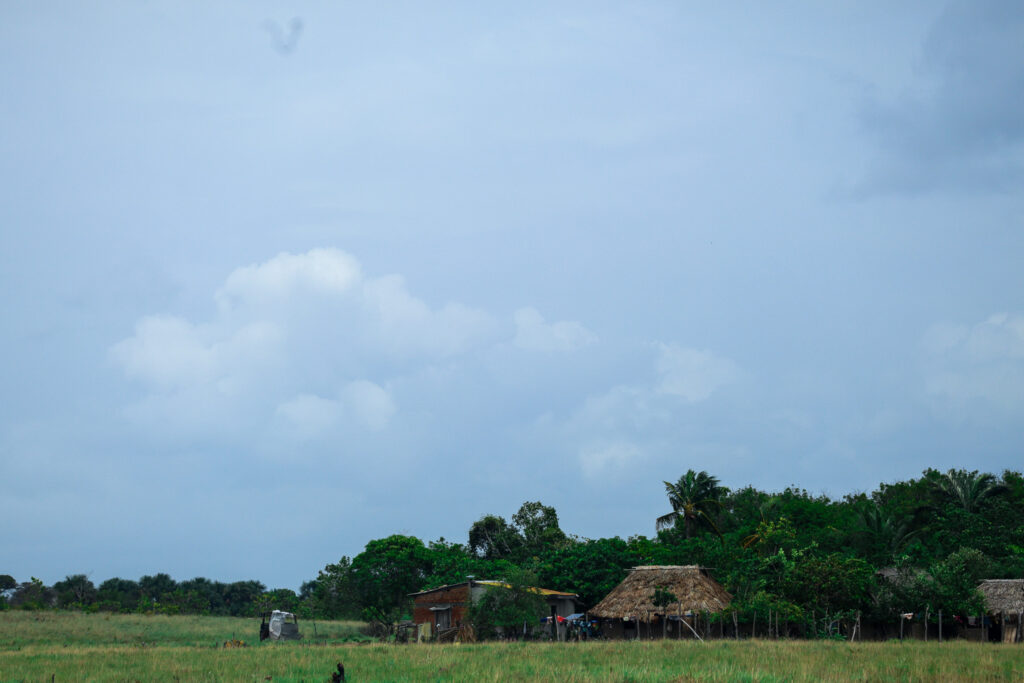
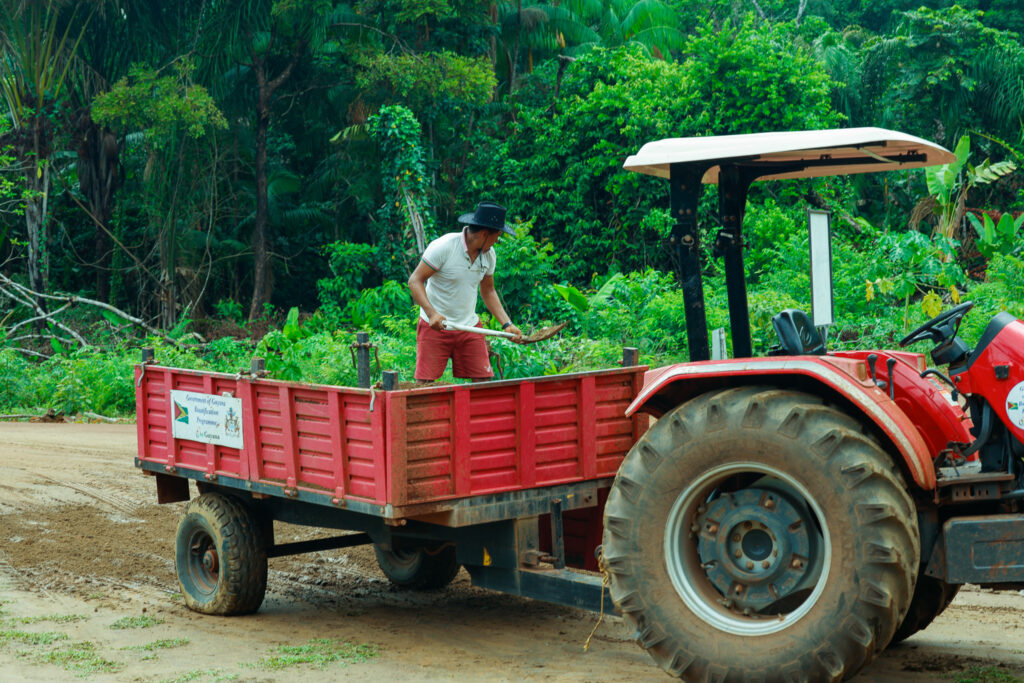
And those roads? Let’s start there. Getting to the Rupununi region in southern Guyana isn’t exactly a quick drive. On a map, Lethem (our destination) doesn’t look that far, but the roads quickly remind you otherwise. Between potholes, mud, and ferry crossings, it took us nearly 20 hours to get there. Definetly makes you appreciate straight asphalt roads.
That part was… let’s say “memorable.” But honestly? It was worth it.
Part I: Into the Jungle
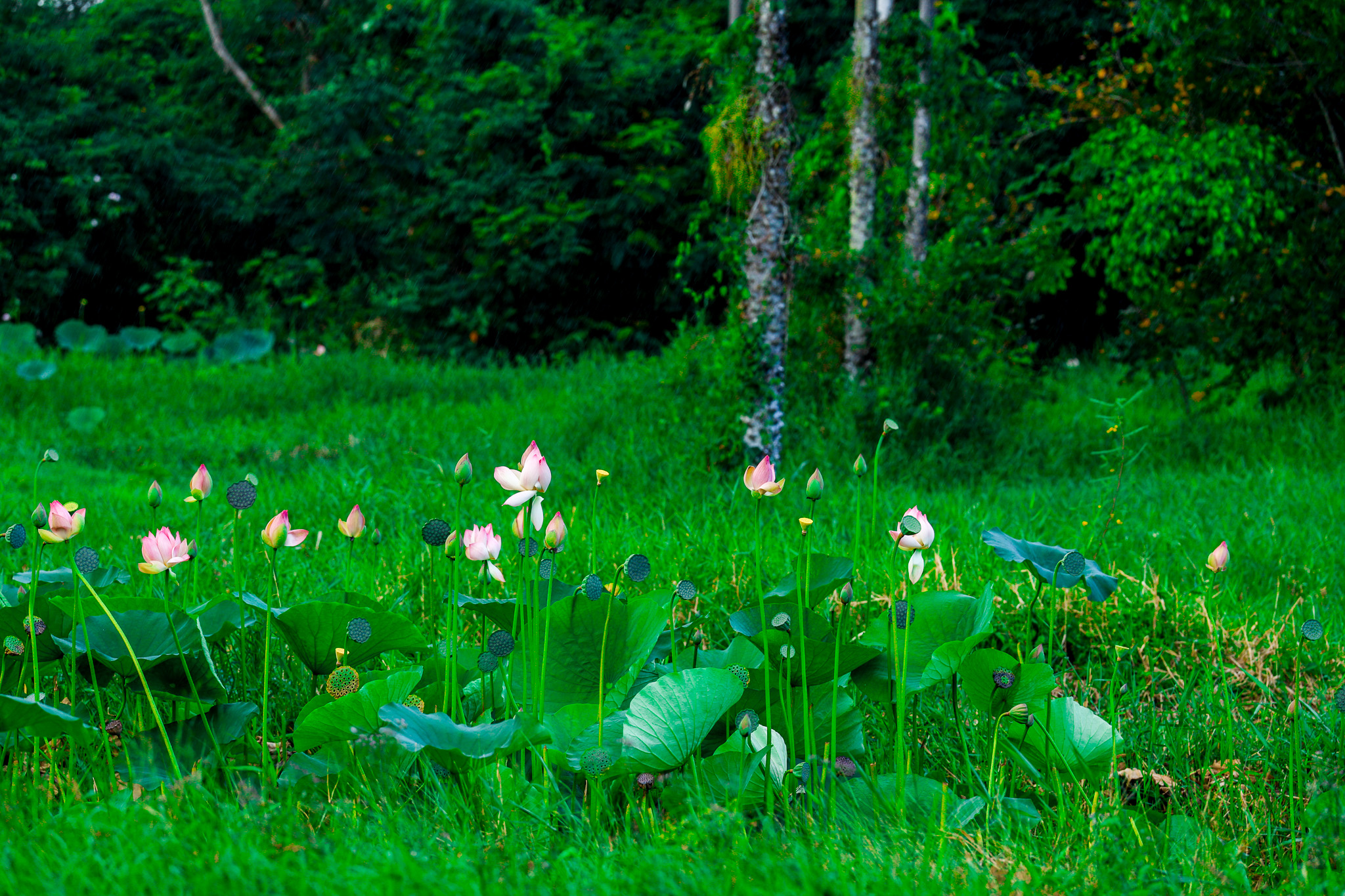
Our first stop was Iwokrama Forest, a protected rainforest area that’s managed a little differently than the national protected areas — it’s run with help from the Commonwealth Forestry Association. You could feel the difference in how it was managed, a bit more structured and intentional in its conservation. It also happens to be stunning. Towering rainforest canopies, moody clouds rolling in with tropical rain, and stretches of green that seem to go on forever.

I think this is the first time I really felt the scale of the Amazon rainforest. It’s humbling.
Part II: Cowboys and Cassava
After a quick stretch at Iwokrama, we headed further south to Lethem, a town near the border of Brazil. And just in time for the Rupununi Rodeo — an event I’d heard about but didn’t really know what to expect from.
Turns out? It’s part country-western rodeo, hometown fair, part a vibe.
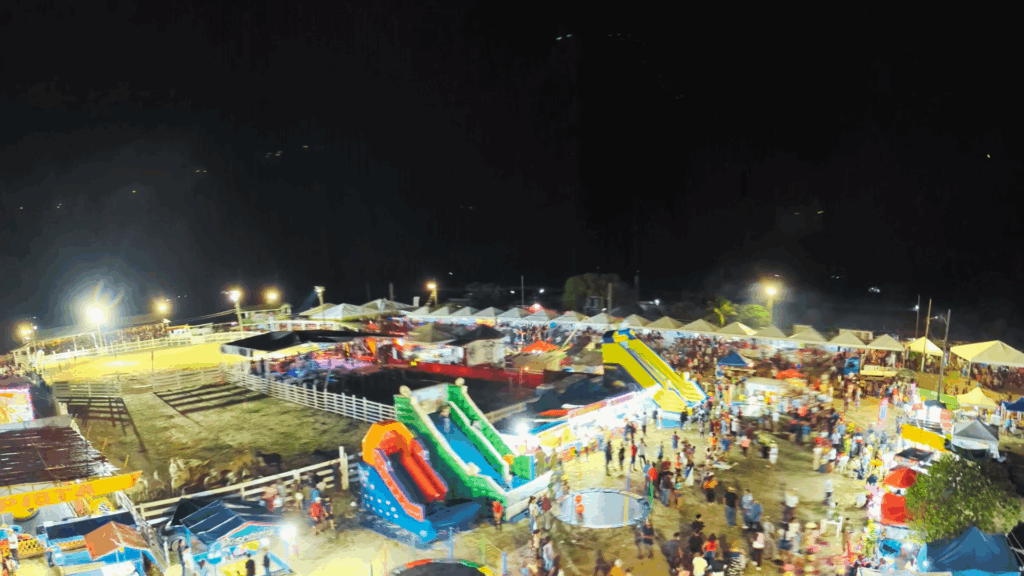
Imagine bull riding, cattle wrangling, and pig chasing, all soundtracked by a mix of country twang and soca beats. It was honestly a fascinating reimagining of the “cowboy” myth — here, it wasn’t white hats and Marlboro ads. It was Black and Indigenous ranchers, local families, and community pride. It felt alive. It felt authentic. And of course, it came with some incredible food: cassava everything, grilled skewers, and all the local treats.
Part III: Black Rock and Cold Water
The next morning, we ventured out with Alton, a local eco-tourism entrepreneur and plant expert who runs tours out of the Moco Moco village. Fun fact — I realized after the fact that we’d actually profiled him through our work on the protected areas campaign! It was cool to see him in person, walking us through his gardens and introducing us to the plants he’s cultivating.
He also led us on a hike up Black Rock Hill, which sits on the edge of the Kanuku Mountains. The trail was steep — straight-up stairs carved into the rock and forest floor — but manageable. At the top? One of the most beautiful views I’ve seen in my life. Savannah to one side, mountains to the other. All green. All magic.
Bonus: there’s a waterfall at the base of the trail where we got to swim and cool off. Refreshing doesn’t even begin to cover it.
Part IV: Waterfalls and Wanderlust
We also stopped at Kumu Falls, another stunning (and slightly more touristy) waterfall spot. There are hundreds of waterfalls in Guyana — some famous like Kaieteur, but many like this, tucked away in corners of the countryside.

Even though this one had more people, it was still an absolute vibe. I floated in the water, stared up at the trees, and just exhaled. Sometimes nature doesn’t need to be remote to be impactful.
On the Bus, On the Road
Honestly, some of my favorite moments weren’t at the “big stops,” but just sitting on the bus, watching the landscape roll by. Herds of cattle, sudden flashes of animals, wide skies with sunsets that felt like oil paintings.

I kept wishing we could pull over more often, to take it all in. But even from a moving window, it was magic.
The Good, The Challenge, and What’s Next
The Good: 🤠
Obviously — the Rupununi. The rodeo, the rainforests, the mountains, the people. Every part of the trip reminded me of why I’m here. Not just for the marketing work or the logistics (though there’s plenty of that), but to feel that connection-to — to land, to community, to culture.
The Challenge: 😱
Sleeping on a bus as it jolts over rocky roads… not for the faint of heart. It was economical, sure, but next time I might spring for a few extra hours of rest.
Also, I wish I’d gotten to do more storytelling on this trip — not just observing, but sitting down with locals and getting their narratives. I know now how I want to build that into my next journey.
What’s Next: 😎
A quick detour! I’m heading back to the States for a bit — a wedding, family time, and some well-earned rest. I’m curious to see how this change in scenery will shift my storytelling — and maybe give me some new marketing ideas from the outside in.




No Comments