
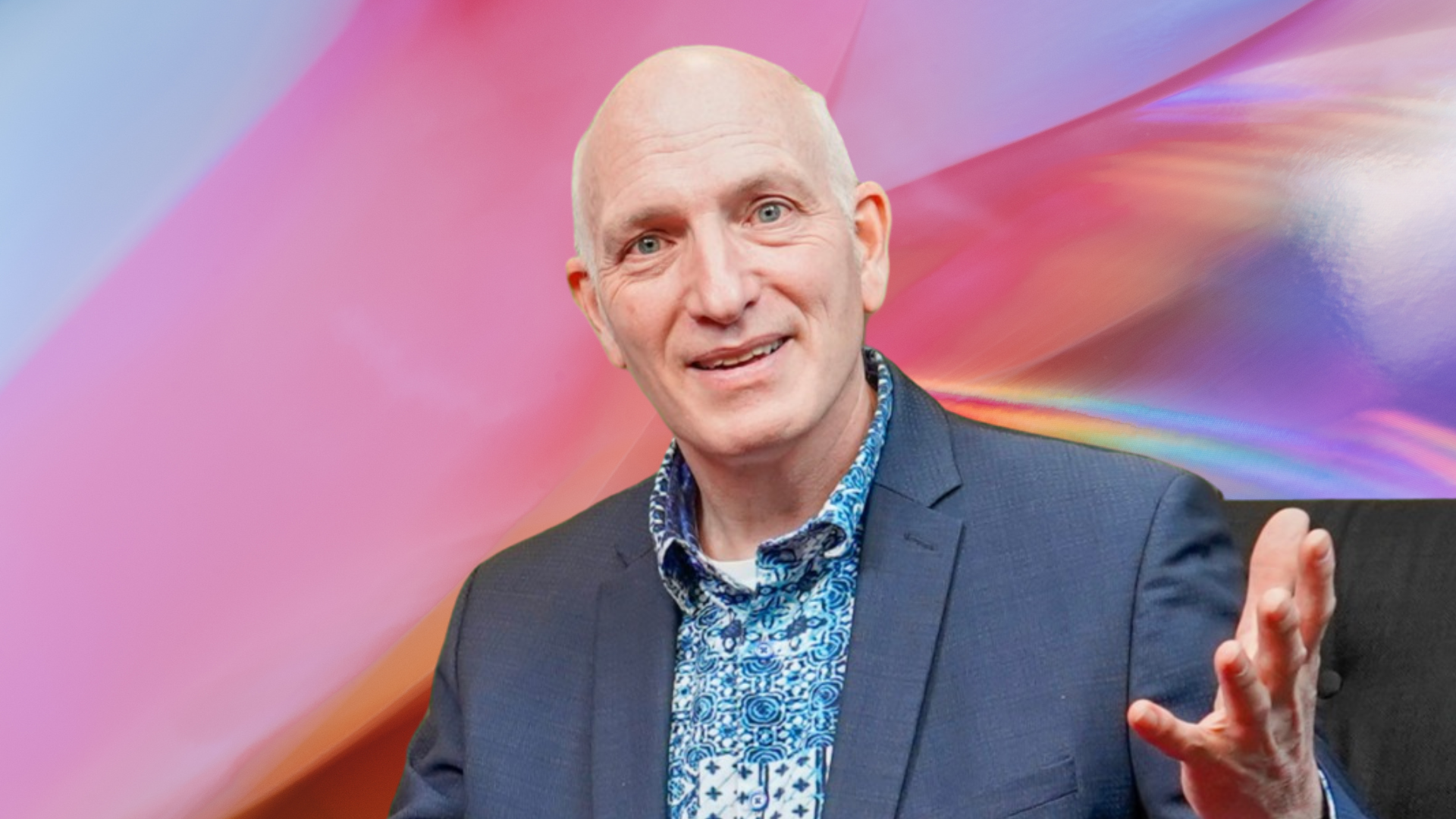
Marketing with Meaning: Interview with Marty Goldberg
Marketing with Meaning
Interview by Suneel Mistry
After decades as an agency leader, strategist, and creative collaborator, Marty Goldberg has seen the marketing world evolve from direct mail and retail banners to omnichannel ecosystems and AI-powered campaigns. But through it all, one thing has remained: the human need for connection, clarity, and creativity.
We caught up to talk about storytelling, reinvention, and what happens when you bring medieval pub music into board game night.
Suneel Mistry: It’s great to reconnect. For those who don’t know, give us the Marty Goldberg 101.
Marty Goldberg: I’ve spent my whole career in marketing and strategy. Mostly in agencies, and for the last decade and a half, I’ve run my firm, thinkdo. I like to think of myself as a facilitator of creativity. Someone who helps brands tell better stories, fill pipelines, raise money, and grow. My early Twitter handle was “Marketing Marty,” and it still kind of sticks.
Suneel: You’ve worked across so many industries and types of orgs. What do you think helps you navigate all of that?
Marty: I think it comes down to two things. First, working with all types of organizations, from small founder-led businesses to massive global companies, gives you perspective. You learn how different people think, how decisions get made, and what gets prioritized. And you start to see patterns that transfer across those worlds. That makes your advice more useful.
Second, I’m a generalist. I started with retail and sales promotion, which eventually became brand activation, then integrated comms, then omnichannel marketing. I’ve learned what works on a grocery store banner and how that differs from a five-second social ad or a 30-minute documentary. That variety keeps you sharp.
Suneel: Yeah, and you bring that experience into everything you do. It’s like remixing rather than reinventing.
Marty: I’ll push back a bit on the idea that nothing is original. Sure, you’re always building on something, but if the people you’re working with haven’t seen it before, then it’s new for them. Context makes something original.
Suneel: Let’s talk about storytelling. It’s such a common word now, but you’ve been doing this long before it was trendy.
Marty: Totally. We used to call it communications, or persuasion, or marketing. Now it’s storytelling. Which is fine, because stories are how people make sense of things. A good story simplifies complexity. Usually, there’s a hero, who is often the brand. There’s a villain, which is the challenge they’re trying to overcome. And there’s a prize at the end. It helps frame things.
Suneel: I think that’s why I struggle sometimes. I’m working on a video right now and have all these pieces, but they don’t add up to a clear story. It feels like a mix of good ideas without a thread pulling them together.
Marty: That might come down to editing. A good editor can find the arc in a mountain of content. Think about kids’ stories. They usually have a hero, a challenge, and a resolution. That structure is there for a reason. It helps people follow along. Simplify it. Marketing is usually just: who says what, to whom, and how.
Suneel: And part of that is making people care. Otherwise, it’s just another corporate mashup with no heart.
Marty: Right. You want the message to connect. And it helps to think about themes. If you’re doing testimonials, ask questions that reveal purpose, difference, or challenges overcome. Then you can organize the responses into themes that reinforce your bigger story.
Suneel: So you’re mapping out your message in layers. What’s the story, what are the themes, and how do the pieces support it?
Marty: Exactly. That helps with social content, too. If you know what message you’re trying to reinforce, it’s easier to figure out what goes where.
Suneel: So, how do you stay creative?
Marty: Lately? Spending time with my grandkids. Watching how they learn, how they see the world. They’re constantly remixing what they know in new ways. That kind of curiosity is contagious. I also like making things. Woodworking, mostly. There’s creativity in finding the right joint, the right balance. Not the kind you smoke, by the way.
Suneel: Ha. Yeah, and I think that applies to photography too. Lately, I’ve been seeing so much inspiration in architecture. Especially in different countries. You notice how design evolves, how culture influences structure. It makes you more observant.
Marty: Staying aware is half the game. You’ve also got to keep learning. New tools, new media. AI, for example, is changing how we work. But it’s still about asking good questions and knowing how to tell a story.
Suneel: What skills have helped you over the years?
Marty: Juggling. I mean that literally and figuratively. In agency life, you jump from creative reviews to leadership meetings to brainstorms, all with different energy. You need to be agile. Also, learning how to brainstorm in a structured way helps. I still use Edward de Bono’s Six Thinking Hats. That and learning to sell. I had a sales job right out of school and got real training in objection handling, features vs. benefits, and not taking no for an answer. Everyone in marketing should know how to sell.
Suneel: Yeah, and communication is still underrated.
Marty: Big time. And so is self-awareness. It helps to know how you show up, how you adapt to others. A lot of that comes from experience, but also from staying curious and being willing to figure things out. That mindset has served me well.
Suneel: Any trends or tech you’re excited about?
Marty: The hologram stuff is cool. I saw a live 3D spokesperson at an auction house recently. And of course, wearable tech is changing fast. But underneath it all, it’s still about connecting with people. Who are you talking to, what matters to them, and how are you helping?
Suneel: Last one. What’s good, what’s challenging, and what’s next?
Marty: What’s good is relationships. Family, friends, and people I collaborate with. What’s challenging is staying relevant. AI can now generate pretty good strategies, so what does that mean for someone with decades of experience? I think it comes down to applying that experience with intention. Knowing how to connect dots, tell stories, and bring people along. That’s still human work.
Suneel: Definitely. And having moved from corporate to nonprofit, I’ve noticed a lot of overlap. Passion is more visible, maybe. But the structures, the challenges, the approvals, they’re not all that different. You just find new ways to make it meaningful.
Marty: That’s the trick. Making it matter, whatever the context.









No Comments