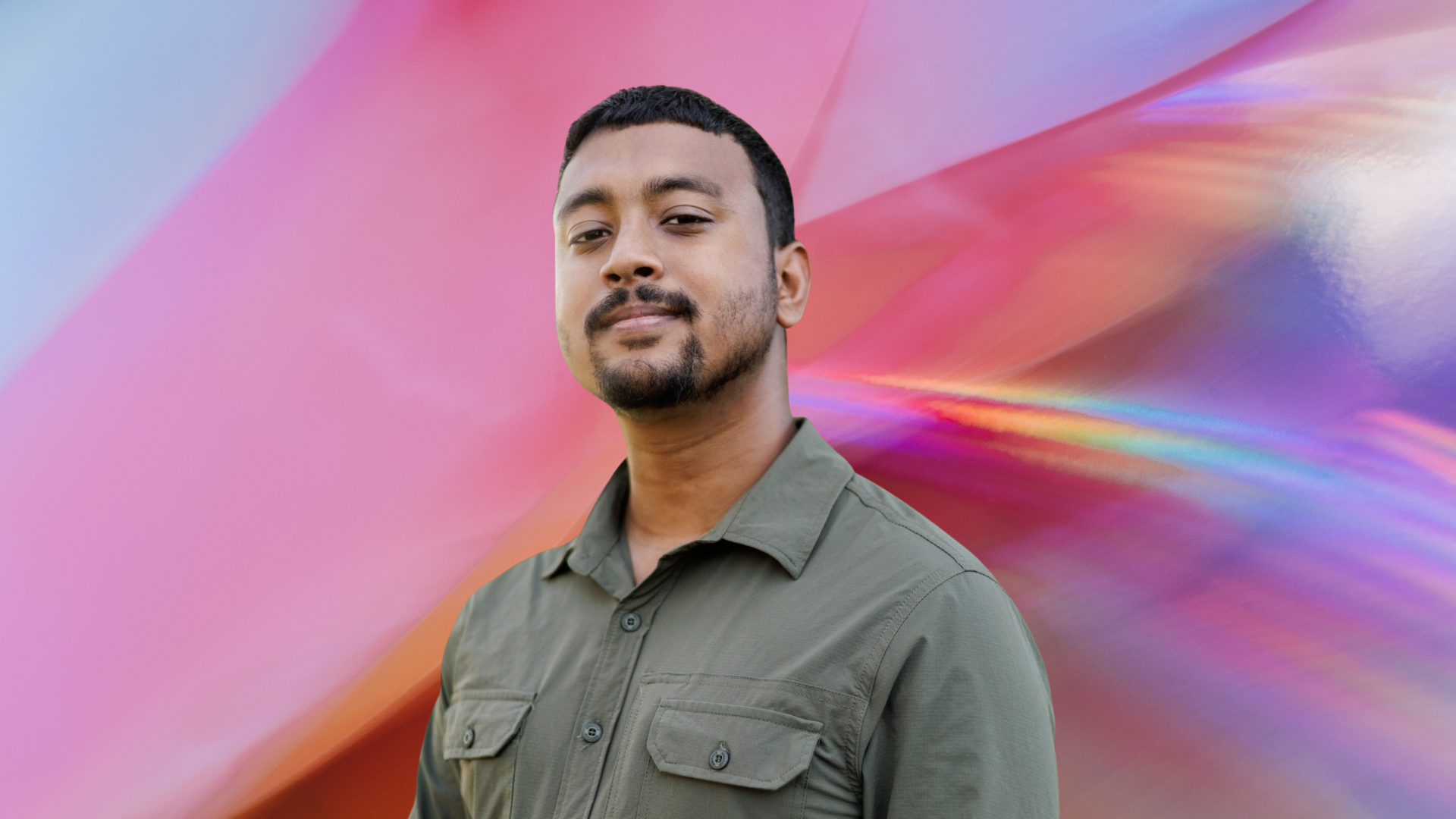
Field Notes on Photography: Interview with Nathan Chinapen
Suneel Mistry: Hi Nathan, thanks for joining us today. This series is all about creative storytelling, photography, media, and everything in between. I know you have a strong background in photography, so I’m excited to dive in. How are you doing?
Nathan Chinapen: I’m okay, just a bit tired. I barely slept last night because I was editing. That’s kind of the life of creatives sometimes.
Suneel: Busy editing days and late nights. I get it. So tell me about your journey. How did you get here?
Nathan: My photography journey really started toward the end of high school. I didn’t even own a camera. I was taking photos on my phone and posting them online. People liked them, and I thought, maybe this is something I could do. I tried to be the best phone photographer I could be, and honestly, I still like some of those early shots. But eventually, you outgrow your phone. Around 2018–2019, my parents gifted me a Canon T6. Not the fanciest, but it served me well.
I started doing small photoshoots to earn a bit of money so I could reinvest in gear. Then I got into wildlife photography, which made sense because I’ve always loved biology. I saved up and bought a big telephoto lens, and that opened up a whole new world. I just kept going from there.
“Patience and luck. that’s wildlife photography.”
Suneel: I’ve been getting into wildlife, too. We’ve worked together on projects for the Protected Areas Trust, and I’ve seen some really cool shots from you. Not just birds, but reptiles, mammals, all sorts of things. How do you get so much variety?
Nathan: Patience and luck. Mostly patience. With wildlife, the best thing you can do is wait. Spend long enough doing “nothing,” and something eventually happens.
I’ve had moments where I’m just sitting in Rockstone photographing kingfishers, and suddenly a troop of monkeys appears overhead. Those moments only happen if you sit still long enough.
I’m not out there with a hideout for days, but even spending a few hours in one spot helps. The animals come to you. That’s way more effective than walking around trying to find them.
For reptiles, sure, you sometimes go to them. But for birds and mammals, staying put is better. If you’re quiet and calm, they come closer. And the closer they are, the better your shot.
“Gear helps, but storytelling and composition matter more.”
Suneel: I feel that, especially when I’m shooting with a 70–200mm. It’s great, but you can’t always reach as far as you’d like. And people think better gear automatically makes better photos, but it’s really the storytelling and composition that matter.
Nathan: Exactly. You work with what you have. Every lens has strengths. With a 70–200, you’d lean into environmental portraits, showing the animal in its space. That’s storytelling, too.
In general, I adjust my storytelling depending on the genre.
For landscapes, I use composition, long exposures, or black and white to create mood.
For portraits of people, I talk to them first, understand their story, so I can capture it.
I have a small personal project called “The Hands of Time.” It’s portraits of people’s hands, old, young, calloused, delicate. You can tell so much about someone’s life from their hands.
For wildlife, storytelling is about behaviour. A bird perched is fine. A bird attacking another bird or hanging upside down to feed, that’s the story.
“Blend in. Let the animals be themselves.”
Suneel: It’s definitely about waiting for their schedule, not yours.
Nathan: Exactly. And you see more natural behaviour when they don’t know you’re there. Some photographers use bird call playbacks. I’ve done it, but it doesn’t give you the same behaviour as just letting them exist.
One of my favourite shots is a Blue-gray Tanager hanging completely upside down, feeding on a cecropia plant. I waited two hours for that. Or when hummingbirds fly in to feed—I’ve been trying to capture them mid-air, going to the cecropia. Still a work in progress, but that’s the fun of it.
View this post on Instagram
Even common species become special when they’re doing something extraordinary.
Projects, growth, and new directions
Suneel: We’ve been working together for a few months now. What are you excited about? What’s been challenging?
Nathan: Personally, I want to visit all the protected areas again. I’ve been to all but one. And I want to focus more on environmental context in my photos, less tight crops, more of the animal in its world.
Working here has been great. I get to photograph conservation work in Guyana, which is meaningful to me. I want my images to document the environment, not just the wildlife.
Learning the marketing side
Suneel: You came in as a photographer, but we definitely pushed you toward more marketing and communications, too. How has that been?
Nathan: Coming from biology, it was a big shift. I’d done some similar things before, but not at this level. What I’ve learned is how important communication is to conservation. If you’re doing the work but not communicating it, the impact stays small.
I’ve learned a lot about analytics, how to tailor posts and understand audiences. I’ve learned way more about LinkedIn, website workflows, and marketing strategy. And I still have more to learn, but it’s been helpful.
Suneel: Marketing never stops changing.
Nathan: Exactly. New tools, new updates, new algorithms. You have to adapt constantly. Especially in Guyana, the social landscape is always shifting. Adaptation is everything.
“To stay creative, treat your art as a place to breathe.”
Suneel: So the big question: how do you stay creative?
Nathan: For me, photography is a hobby first. A way to unwind. If you pressure yourself to be creative, you burn out. Keeping it tied to something calming helps.
Switching styles helps too. Trying something completely new rewires your thinking. I once flipped my lens backwards to shoot macro. It wasn’t perfect, but I learned a lot.
Trying product photography, landscapes, macro—it all keeps your brain flexible. Even failed attempts teach you something. Like the time I tried to capture a hummingbird in long exposure with flash so the wings were blurred, but the bird was sharp, it didn’t work, but it taught me more about lighting setups.
And sometimes you just have to stop obsessing over details. I’ll stress over noise or sharpness, then see someone else post a simple, imperfect photo that looks amazing. We are our own harshest critics.
Getting another pair of eyes on your work helps a lot.
On inspiration, goals, and the next great shot
Suneel: And you’ve had some wins, award-winning photos, prints in the State House, publications.
Nathan: Yeah, and some of the photos I’m least confident about end up being the ones people love. Perspective matters.
There are photographers here in Guyana I look up to, Michael Lam, Jonathan de Groot, Darrel Carpenay, and Kester Clarke. They inspire me. I still have a lot to learn.
Suneel: What are you still hoping to photograph?
Nathan: So much. I want a good Jaguar photo—I’ve never seen one in the wild. I’m heading to Iwokrama soon, so fingers crossed.
I want better harpy eagle shots.
I want to photograph endangered species like Sun Parakeets, Red Siskins, the Rio Branco Antbird, and the Hoary-throated Spinetail. And I want to photograph the Azure Poison Dart Frog in Kanashen.
The list is long. And if I finish Guyana’s list, I’ll start on the world’s.
Balancing biology, photography, and the future
Suneel: Anything else people should know about you?
Nathan: I’m trying to find a balance between biology, communications, and photography. I graduate next week, so I can officially call myself a biologist. I’ve always wanted to be a scientist, and I think I can merge that with photography, education, fieldwork, and conservation storytelling.
Working here helps with that. It feels like the right direction.
What’s good, what’s challenging, and what’s next?
Suneel: Final question: what’s good, what’s challenging, and what’s next?
Nathan:
What’s good: I’m working on a project with Iwokrama—a mini documentary on wildlife clubs in the Rupununi. Nothing makes me happier than being in the field.
What’s challenging: University stuff—I’ve had some issues with processing and paperwork, but I’m finally graduating next week.
What’s next: In the short term, I’ll be in Iwokrama next week. In the long term, I’m going wherever the winds of conservation take me. I want to work in conservation, in any form—photography, research, communication. And I’ll be continuing my work here.
Suneel: Your mouth to the winds of conservation. Let’s hope they work in your favor. I think that’s everything.
You can follow and learn more about Nathan and his amazing work here.



No Comments