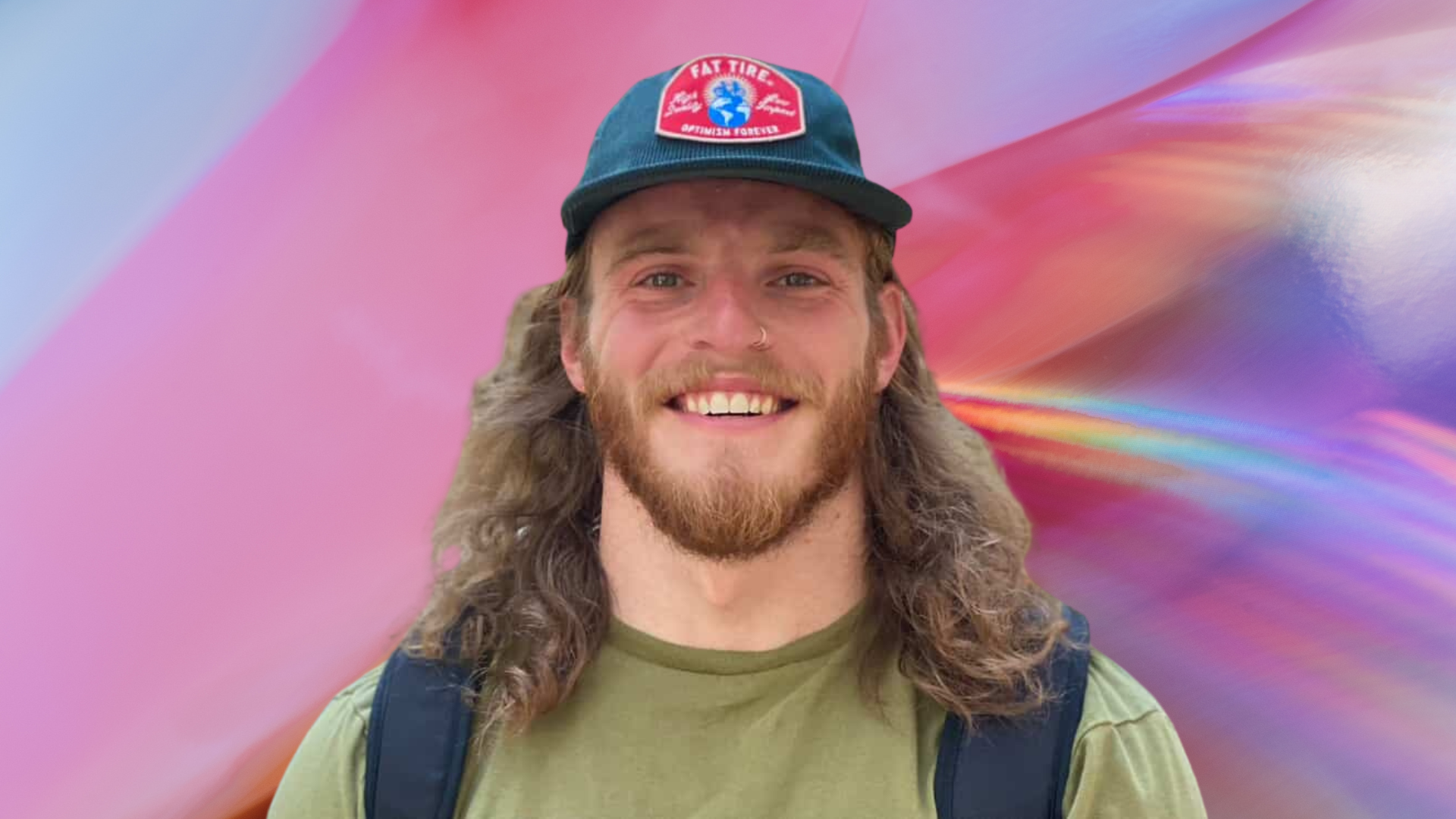
Creativity through a lens: Interview with Sam Wagner
Interview with Sam Wagner aka @wildwagnerphotography by Suneel Mistry
Sam Wagner starts his days early. Really early. He’s often in Colorado’s Rocky Mountain National Park before the sun’s even up, coffee in one hand, camera in the other, watching the world slowly wake up. For Sam, photography isn’t just about sharp images or gear. It’s about rhythm, stillness, and being present with whatever shows up.
Suneel Mistry: You said you got out to Rocky Mountain National Park this morning—how was it?
Sam Wagner: It was really good. I don’t normally go up in the summer since they’ve got the timed entry system now, but I made it work today. I go a lot more in the winter, so it felt good to be back up there in a different season.
Suneel: Do you usually go in the mornings?
Sam: Yeah, mostly. Birds are just more active, and there are fewer people. I like that quiet. It feels peaceful. And I’ve been leaning more into wide shots lately—putting small subjects in a big landscape. It feels like a more honest way to show how I experience the space. But it’s hard to share those on social, because people love tight detail shots. So I’m trying to think about video more—ways to show the full scene and mood.
Suneel: I feel that. I used to shoot wide a lot too mainly because I didn’t have a zoom. But once I got a 70–200mm, it changed everything. Suddenly, I could shoot more close.
Sam: Yeah, exactly. I shoot on a 150–600mm, and most of the time I’m out at 600. You can just sit back and let things happen. You don’t have to move. You’re just watching. It lets you stay in the rhythm.
Suneel: Yeah, and I find that with people, too. Like, some of my favourite shots happen after 20 or 30 minutes of just walking around in a city. You have to get into its rhythm.
Sam: That’s exactly what it’s like with animals, too. If I just sit and breathe, something usually comes into view. It’s like, when you stop trying so hard, things show up.
Suneel: What would you say has helped you most with your photography?
Sam: Consistency, for sure. Just going out regularly, giving yourself chances to get lucky. And also curiosity. When I hit a wall, I pull out old wildlife textbooks or guides, and suddenly I’m reading about something I’ve never seen before. Then I’m off chasing that. It gets me excited again.
Suneel: Are you more about the species or the place?
Sam: I’d say more about the place. I like learning the whole ecosystem, figuring out how it all fits together. I use field guides a lot just to know what’s around. It makes the same place feel new again.
Suneel: I’ve been doing that here in Guyana. I got this regional wildlife guide, and now I’m noticing way more. Like, I’ll spot something and be like, “Oh, I should look that up in the guide.” Even learning the local names adds depth.
Sam: That’s so cool. I had that in Costa Rica. The field guides said one thing, but the locals used different names. It was a little confusing but fun. It added more character to the experience.
Suneel: Do you usually go solo or with people?
Sam: Here in the U.S., mostly solo. I do a lot of prep reading, watching videos, and flipping through guides. But if I were somewhere new, I’d totally hire a local guide. They know the stuff you’d never think to look for.
Suneel: What gear are you using these days?
Sam: I shoot with a Nikon Z-series mirrorless, and I’ve got a mix of adapted F-mount lenses. My main lens is a Tamron 150–600mm. Then I’ve got a 17–35mm for landscapes, and a couple of primes—a 50 and an 85. Eventually, I’ll get native Z glass, but this kit works for now.
Suneel: I’ve been playing around with film lately. Just point-and-shoots and Kodak or Fuji rolls. It slows me down. I even had a double exposure the other day accidentally, but it came out cool. Palm trees over a city street.
Sam: That sounds awesome. I’ve thought about getting into film, just haven’t tried it yet. There’s definitely something charming about the slower process.
Suneel: Yeah, and printing them has been the best part. It feels more real when you can hold it or hang it.
Sam: I’ve printed a few, but I always second-guess it. Like, what if I get a better one next week? Nature’s always changing, and I don’t want to commit too early.
Suneel: How do you stay creative?
Sam: Weirdly, getting frustrated helps. When I feel stuck, I go back to the books. Indigenous stories, ecology, field science it reminds me why I’m doing this. All I really want is to feel more connected to nature.
Suneel: Do birds in flight ever get easier?
Sam: Technically, yeah. You figure out the shutter speed, the angles, and the light. But some birds are still impossible. Barn swallows? Tiny missiles. Eagles are easier—they’re big and slow. But even then, it’s always a challenge. That’s what keeps it fun.
Suneel: I’ve been trying to catch some at the Botanical Gardens here. Parrots, hawks, falcons and maybe a toucan. I’m noticing birds I never saw before. I’m looking up more.
Sam: That’s the best part. Just walking around with a camera makes you pay attention. You hear more, you see more. It shifts how you move through a space.
Suneel: How’s your patience these days?
Sam: Getting better. I can sit for 15, 20 minutes now. Sometimes the best thing happens just as you’re about to give up. That quiet moment just listening to the wind, not expecting anything that’s when something shows up.
Suneel: Alright, closing question: what’s good, what’s challenging, and what’s next?
Sam: What’s good? Summer in Colorado. Everything’s green, wildflowers are out, the high country’s accessible. It’s amazing. What’s challenging? Finding balance. I want to be out every day, but I don’t want to burn out. What’s next? Video. I want to try putting myself in front of the camera more sharing stories, talking about what I do and why. It’s a little intimidating, but I think it’ll be good.
Suneel: I think so too. I’m excited to see what you come up with.



No Comments