Chapter Thirty Two: A Week at Karanambu
This week has been one of my favourites so far. I had the chance to spend time in the Rupununi at Karanambu Lodge, and I am very thankful to the owners, Ms Melanie and Mr. Ed McTurk, for hosting me and inviting me to contribute to some of their ongoing projects. In a way, it felt like an extended volunteer placement. Of course, I also joked with friends that it was a work-from-hammock week, since hammocks were everywhere. And yes, I did give in once or twice, because when there are hammocks, you should make use of them.

The biggest shift about being out of the city is the soundscape. The first night always feels strange, as your body adjusts from the constant buzz of cars, music, and alarms to the sounds of birds and wildlife. By the second or third night, however, you begin to settle into the slower rhythm of the lodge. Unlike many weeks, the lodge did not have guests, so I was able to experience a quieter and more behind-the-scenes version of life there. I spent time with the staff and owners, learned more about their operations, and shared in their perspective on the balance between hospitality, conservation, and heritage.
One realization that came to me while working at the lodge is that accountability is a constant, no matter the industry or environment. At first, I thought that working in different sectors would completely transform the experience of work. While there are certainly differences, I have found that every space requires commitment, follow-through, and responsibility.
Project One: Fishing and Hunting Sustainability

The first project I worked on focused on sustainable fishing and hunting practices. These practices are deeply tied to tourism, sport, and community livelihoods, especially among Indigenous populations. Traditional fishing methods are often more sustainable but can be less efficient than modern tools such as nets or firearms. While the modern methods are easier, they can also put immense pressure on local river populations, which are limited and fragile.
The lodge’s approach is to encourage people to leave a little for later, promoting catch-and-release and other practices that balance tourism and subsistence needs. For Indigenous communities, this balance is particularly important. Many families depend on fishing and hunting to meet their daily needs, and these traditions have been part of their lives for thousands of years. Supporting them in keeping those traditions alive while also maintaining healthy ecosystems is essential.
One highlight of this project was filming a short video with Uncle Ken, who has been part of the lodge for decades. His deep knowledge of the land, animals, and rivers is remarkable, and his perspective brings both wisdom and authenticity to the conversation about sustainability.
Project Two: Celebrating the National Flower
The second project grew out of a conversation with marketing colleagues from the Caribbean. They shared that content on national flowers had performed very well in other countries, which inspired us to focus on Guyana’s own national flower, the Victoria amazonica.
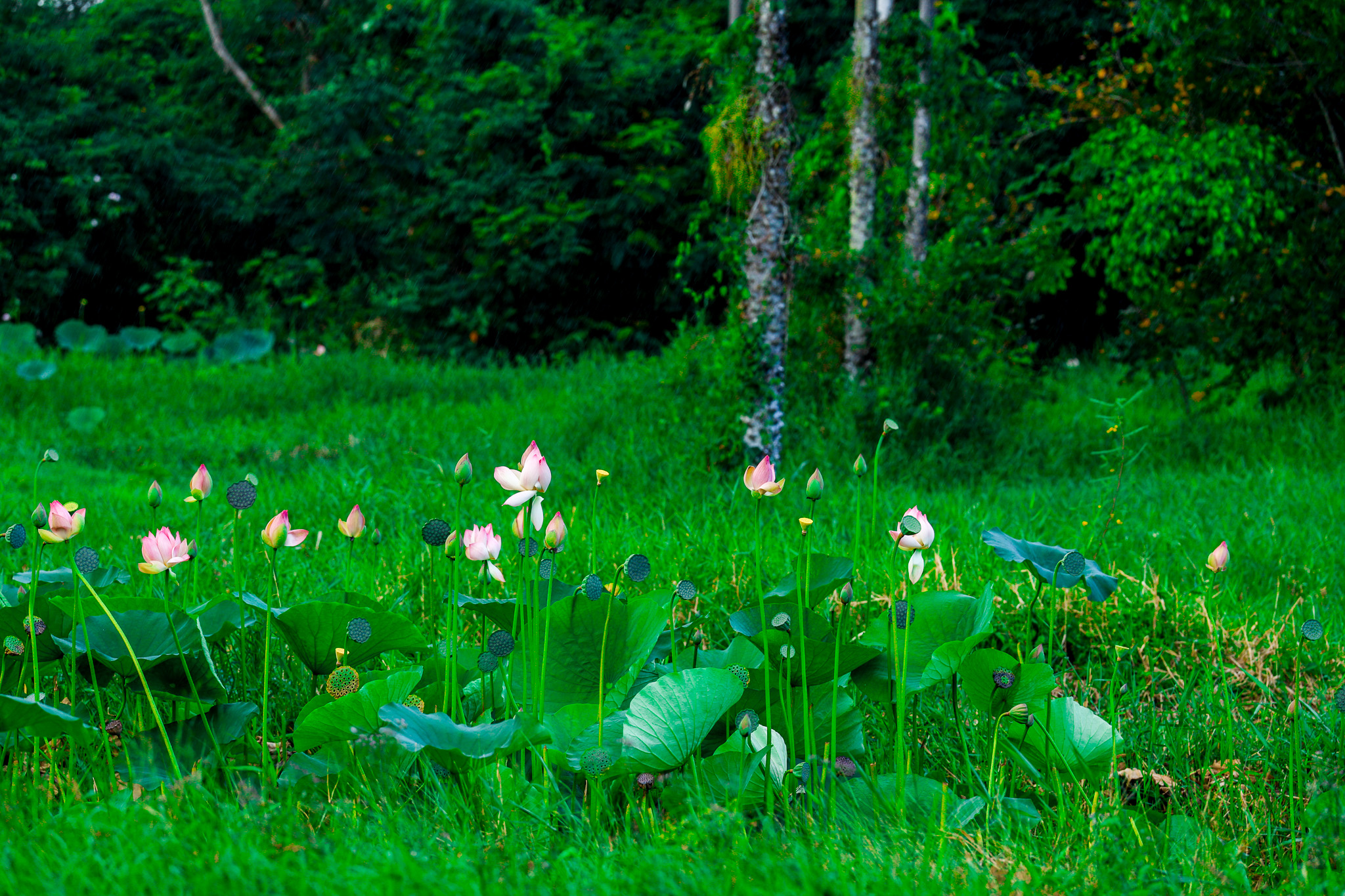
The lodge is located near some of the largest areas where the giant water lily can be found. We visited ponds and lakes to film the flowers as they bloomed. The challenge was that the flower only opens at dusk and overnight, lasting for just two days, so we had to plan carefully to capture it.

The result was beautiful. We filmed during sunset and twilight, catching the flower’s white petals against the golden glow of the river and later with flashlight accents in the dark. The photos and videos almost resemble abstract art, with the flower standing vividly against the backdrop. We also recorded an interview about its cultural and ecological significance. This project has strong potential to connect with both local and international audiences, creatively celebrating a national symbol.
Project Three: iNaturalist
The final project focused on iNaturalist, a citizen science app that allows people to upload photos of plants, animals, and other species along with their location. The global community then helps identify the species or flags potential discoveries. The open-source data becomes available for researchers, scientists, and conservation organizations.
For Guyana, this tool could be transformative. Travel to remote regions is expensive and sometimes difficult, but Indigenous communities already have deep knowledge of their environments. Encouraging them to use iNaturalist empowers them to document biodiversity directly, contributing both to national datasets and to global science.
We filmed an interview about the importance of citizen ownership of local knowledge. By using a simple app, communities can strengthen national pride in Guyana’s biodiversity while also contributing to research. The hope is that this campaign grows to a national scale, encouraging participation from people across the country.
As the week wrapped up, I felt very grateful to the entire team at Karanambu Lodge for their generosity and hospitality. Spending time with them and contributing to their projects was meaningful, and I know that the insights I gained will have a lasting impact. Now, the next task is editing the photos and videos we captured, and I am excited to see how they turn out.

The Good
The good this week was simple but satisfying. The lodge served homemade French fries from real potatoes, which was a welcome change from the store-bought fries often found in town. It felt like a small luxury, and it made me genuinely happy.
The Challenge
The challenge was adjusting to bugs and the lack of air conditioning. At first, it was uncomfortable, but I gradually learned how to adapt and make it work. It was a reminder that part of the experience of being out of the city is learning to accept the environment as it is.
What’s Next
This week I am back in Georgetown, but the team and I are preparing for something exciting. Next week we travel to Chile for the RedLAC Conference, where we will be speaking on a panel about digital innovation and artificial intelligence for nonprofits. It is a major opportunity to share our work and learn from others in the field, and I am very much looking forward to it.



No Comments