
Chapter Thirty Four: All things RedLAC
This week felt like a big one in so many ways. There was a lot of talk about all things Santiago, all things Chile, and all things conservation. I want to start with a big thank you to the team for including me as the temporary Communications Officer. It was a chance to assist from a new perspective and support the team on the ground during a really special and busy time.
Being part of the Congress and the surrounding events meant stepping into many different spaces. From the general assembly and formal sessions to the back rooms, casual gatherings, and everything in between, it was a full schedule. I was able to meet people from all kinds of organizations, from large international networks to smaller local groups represented by one or two people. Everyone had something to contribute, and every conversation added a new layer to how I think about conservation.

What stood out most was the sense of growth. There is momentum happening in this space that feels both inspiring and urgent. Across regions, conservation work is evolving quickly, and the Caribbean is finding its place within that movement. Being part of those discussions, seeing how different countries and organizations approach similar challenges, and learning how they build systems to support their work made me realize how connected we all are and how much there is to share.

The start of the week focused heavily on conservation trust funds. From the general assembly to the formal launch events, it was a full and fascinating schedule. For me, it was all about meeting people who work in spaces that mirror our own. Many of the attendees were executive directors, program leads, or communications specialists. It felt like connecting with peers who face similar challenges but in different contexts. Hearing what projects they are leading, what strategies they are trying, and where their organizations are headed gave me a broader sense of how the ecosystem operates beyond our own borders.

The settings for these meetings were just as striking. We spent time in some of Chile’s historic buildings that carry centuries of history within their walls. One evening was held in the presidential palace courtyard, surrounded by architecture that tells stories of resilience and transformation. Being in a space like that and realizing it has witnessed hundreds of years of change gave everything a sense of depth and perspective. Coming from Georgetown, where history feels more recent and tangible, I appreciated how Santiago preserves its past while continuing to modernize. It is a city that feels grounded and forward-looking at the same time.

The hospitality was also something to remember. Meeting more than thirty people on the first day alone was both exciting and a bit overwhelming, especially when trying to match names, faces, and organizations. But everyone was kind, patient, and eager to connect. Over the next few days, those quick introductions turned into familiar waves and real conversations. It was an excellent way to build relationships and find shared ground with others who are passionate about the same mission.
When the actual conference began, we moved to the former Congress building. It was a stunning venue that looked like something out of old England, with towering ceilings and ornate details that made every moment feel important. That day was filled with speeches and opening remarks, setting the tone for what was to come. It was more formal, focused on policy and direction-setting, but it offered an important look into how conservation is being prioritized at the national and global levels.

Soon after, we travelled to Frutillar in southern Chile, one of the main gateways to Patagonia. That was when the conference really came alive. The panels and discussions became more practical and hands-on, and the exchanges felt more personal. People were eager to share insights, swap ideas, and talk about what was actually working in their organizations. It was less about grand statements and more about collaboration and curiosity.
I also had a small role in capturing moments through photography and communication support. Balancing that with participating in the sessions was a challenge, but it felt meaningful to contribute both ways. It was rewarding to help tell the story for others who could not be there while also learning from those who were.
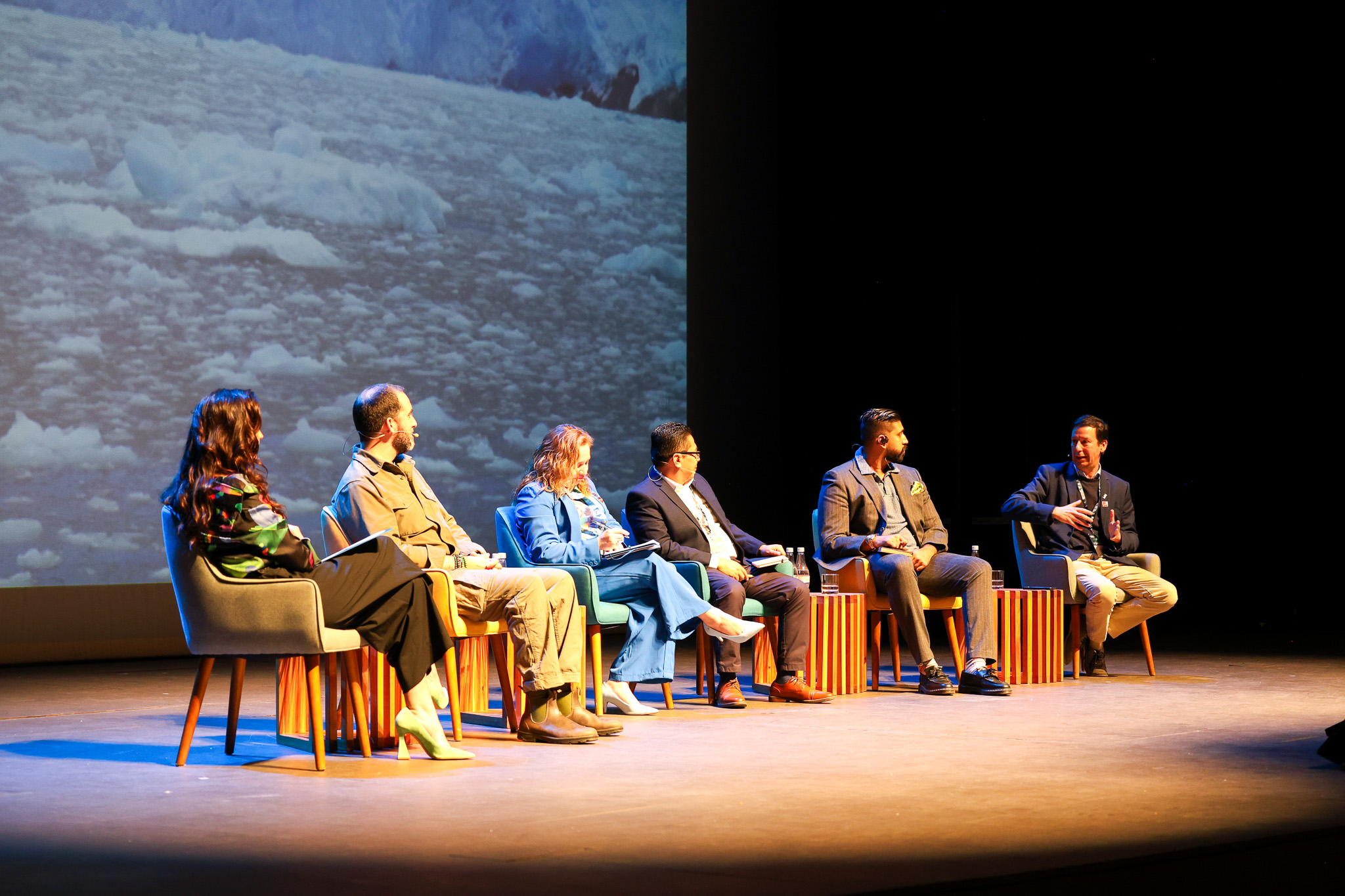
One of the most memorable moments for me personally was speaking on the panel about technology and artificial intelligence. I will admit, I was nervous. The venue was a proper theatre with balconies, lights, and a large audience. It felt more like a concert hall than a conference room. But once things began, I found a rhythm.

Our panel was one of the first major sessions of the day, setting the tone for the discussions ahead. It was exciting to open the morning with a topic that feels so relevant to the future of conservation. Technology and artificial intelligence are becoming increasingly important tools, but for many small organizations, knowing where to start or how to apply them can be difficult. Being able to talk about that, share examples, and hear from others who are experimenting in similar ways made the session especially valuable.
The people on the panel were generous and welcoming. Many spoke primarily in Spanish, but they made sure to include me and listen as I shared my perspective. It was a privilege to represent a different regional perspective and to share insights from our work, especially knowing how much innovation is happening in smaller organizations.

The following sessions continued with panels on various themes, ranging from community conservation to financing models, and a sense of shared purpose prevailed throughout. Everyone recognized the difficulties that come with managing limited resources while trying to create meaningful change. Yet there was also optimism, a collective understanding that progress is happening even if it comes step by step.
As a special treat, the conference ended one evening with a performance by Los Jaivas, a Chilean alternative rock and folk band. I did not realize at first how significant they were locally, but after a few conversations, it became clear they were a big deal. The crowd loved it, and the energy was contagious. It was a reminder that art and culture are deeply connected to conservation, as they both express and preserve identity.
On the final day, we went out to Vicente Pérez Rosales National Park. It was the perfect way to close the week. Seeing conservation in action, the protected landscapes, the volcanoes, and the lakes made everything we had been discussing feel tangible. The park sits on the northern edge of Patagonia, surrounded by towering mountains and bright blue water. We did a short hike and a boat tour, soaking in the views of the Petrohué River, Lake Todos los Santos, and the Osorno volcano.


Being there, surrounded by such beauty, reminded me of why this work matters. It also reminded me of home. Santiago and the surrounding regions have a rhythm that feels familiar, almost like parts of Vancouver or Toronto, with the mountains always in view and the pace of life steady but full of energy. It is a place that makes you pause and appreciate the scale of nature and the effort it takes to protect it.
Now, as we return to Georgetown, there is that familiar bittersweet feeling of leaving behind a place that has left a mark. It has been an incredible week of learning, connecting, and being part of something larger than any single organization.
The Good
The best part of this experience was everything in Chile. Getting to explore the country, meet passionate people, and see conservation work from a different cultural and regional lens was incredibly rewarding. The people were welcoming, the city was full of life, and the conference offered endless opportunities to learn and connect.
The Challenge
The main challenge was balancing the many moving parts. There were back-to-back events, meetings, and sessions while also helping with communications and supporting both local and international teams who could not send their own representatives. It took effort to stay present and make sure I was contributing where needed while still absorbing everything that was happening.
What’s Next
Next up is the RedLAC Conference, which I am really looking forward to. The momentum from this week makes me even more motivated to keep learning, connecting, and finding ways to bring fresh ideas into our work back home.




No Comments