Chapter Thirty Eight: Design is good again
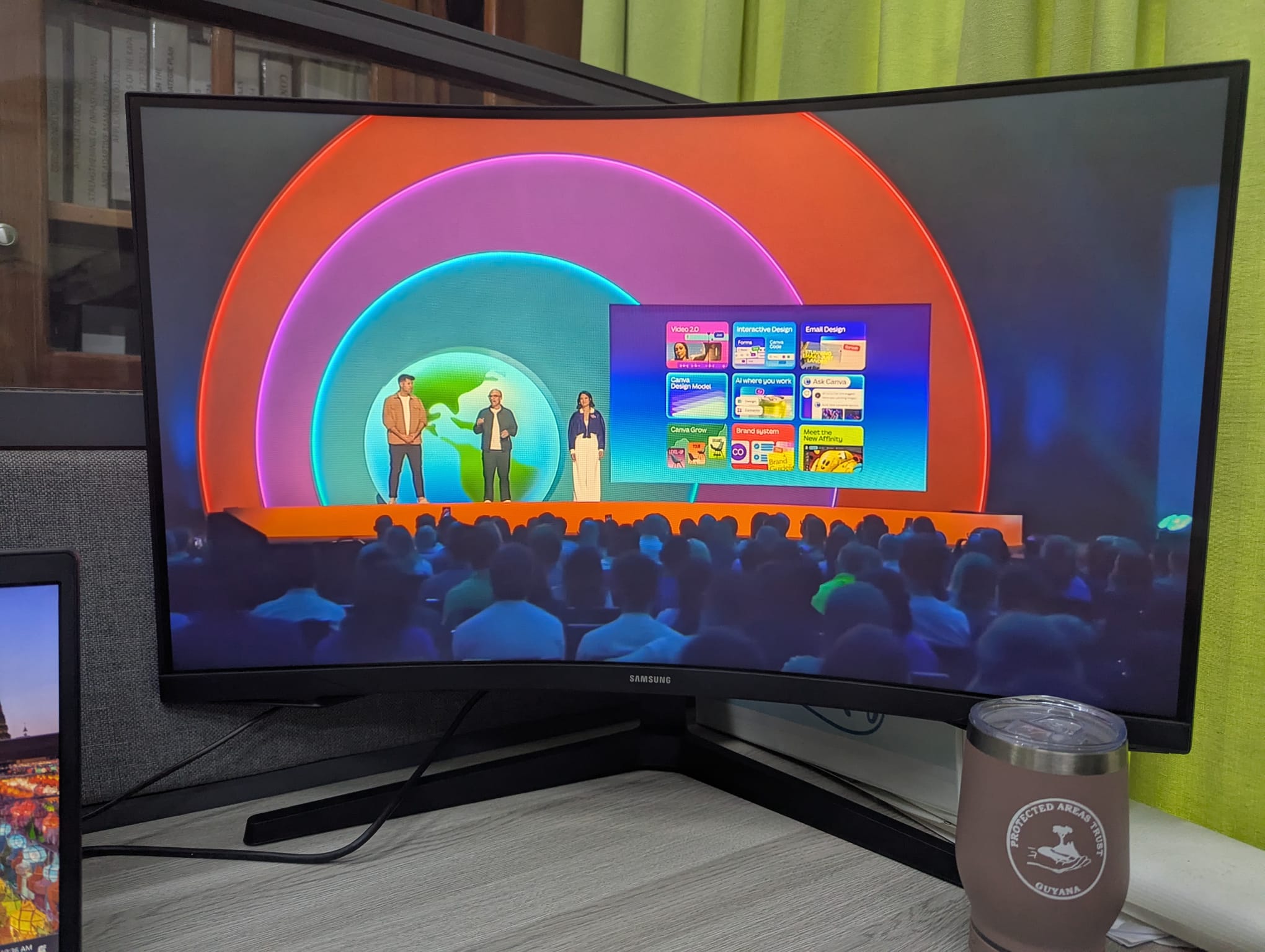
Okay, saying that I am obsessed with Canva this year is one of those understatements. Last year I knew it, liked it, and was slowly getting into it. But now, as someone who grew up learning and working on Adobe, this feels like a real shift. Back then, Adobe was the only system anyone took seriously. The alternatives were there, but they were clunky or limited, so you just learned to adapt. Maybe indoctrinated is too strong a word, but it fits.
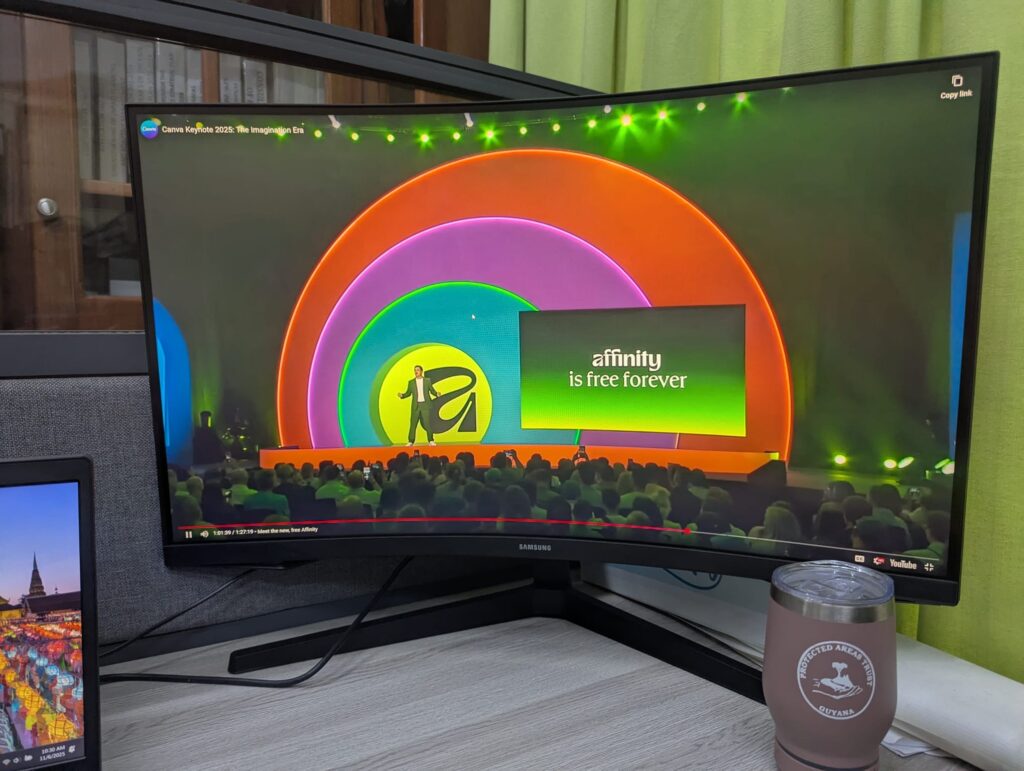
So to see Canva come this far, competing with Adobe on both creative power and accessibility, feels wild. It’s that classic underdog story and I love rooting for the underdog. But this week, with the Canva World Tour, it feels like they’re no longer the challenger. They’re standing right beside the giant and saying, “Yeah, we can do this too.”
The way they’re expanding their tools, rolling out new updates, and doing it all at a fraction of the price it’s honestly impressive. And as someone who works with nonprofits, small businesses, and creative teams with limited budgets, that matters. Why bet on anyone else when one platform is making good design available to everyone?
What I love most is how they’re democratizing design. Because good design used to be rare, especially in places like Guyana. You’d see a lot of signs or menus or logos that were just a little off. Odd fonts, inconsistent colours, confusing layouts. You still see that sometimes, especially with small businesses, but it’s improving because tools like Canva exist.
There’s something so fascinating about how design travels too. In some places you’ll see a restaurant using a colour scheme or logo that feels oddly familiar because it’s borrowed from somewhere else. It’s messy but charming. The truth is, people borrow ideas all the time. It’s part of how creativity spreads. And I think that’s what Canva has tapped into, making design more accessible, more playful, and less intimidating.
Design is such an underrated language. It shapes how we read, how we navigate space, and how we understand relationships between objects, colours, and ideas. Most of it happens in the background. When design is bad, you notice it. When it’s good, it just works. And I think that’s what makes Canva’s approach so smart. It’s not trying to make you a professional designer overnight. It’s giving you the ability to make things that make sense.
And then there’s Canva for Nonprofits. If you’re certified, you get full access for free. That’s huge. A few of the teams I work with use it now, and it’s made a massive difference. We’re talking everything from social media posts to presentations, pitch decks, event signage, and print materials. I’ve even built full books in Canva. Things I once thought you needed expensive software for it’s just not true anymore.
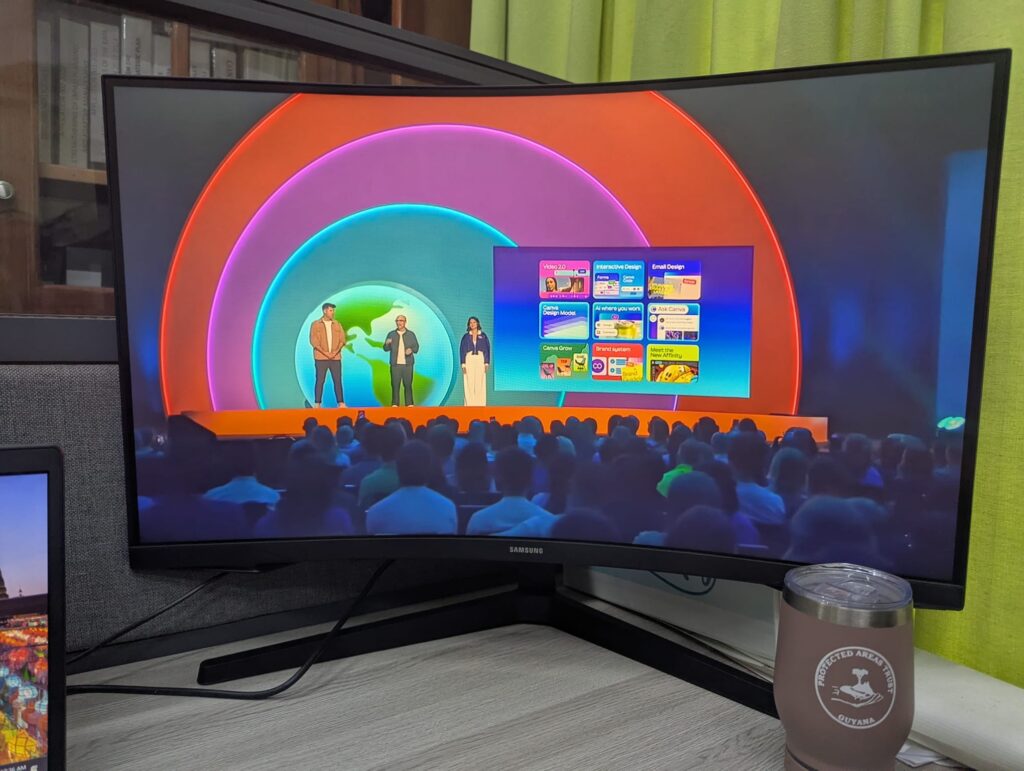
People sometimes ask what we use for design and are surprised when I say it’s all Canva. But it works. It’s efficient. It saves time. And when you’re in the nonprofit space, time is the most valuable thing you have. You can always find new funding or new partners, but you can’t make more time. That’s where these kinds of tools shine.
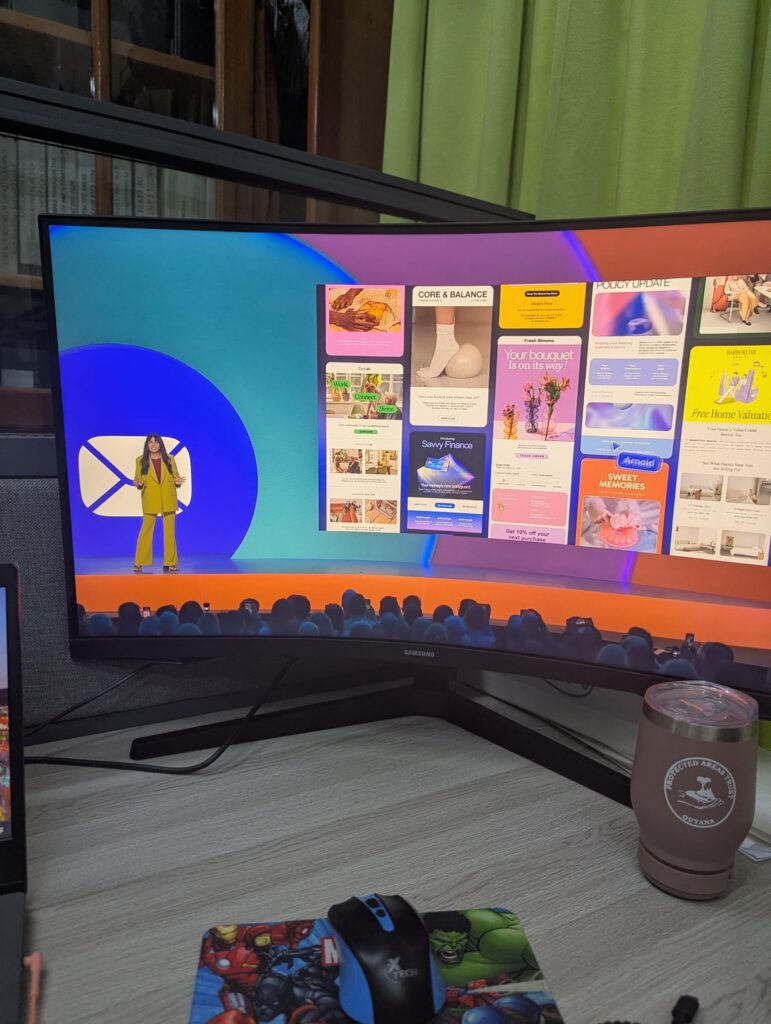
This week, seeing the new features from Canva World Tour made me realize how fast they’re moving. They’re not just adding small updates; they’re rebuilding systems, introducing new products, and expanding what’s possible every few months. It’s refreshing because most tech companies are stuck in this 1% improvement mindset tiny updates, small patches, incremental change. Canva’s like, “Let’s add coding, spreadsheets, AI tools, video templates, and while we’re at it, make it all easier to use.”
And all of that while keeping most of it free or incredibly affordable. It’s almost wild to think about how much creative power that gives to individuals, teachers, nonprofits, and small businesses.
As someone working in conservation and community-based projects, this kind of access means everything. The most valuable resource we have is people and the time they give. Tools that make us more efficient, more creative, and more capable of telling our stories matter. Canva is that bridge between big ideas and the ability to express them.
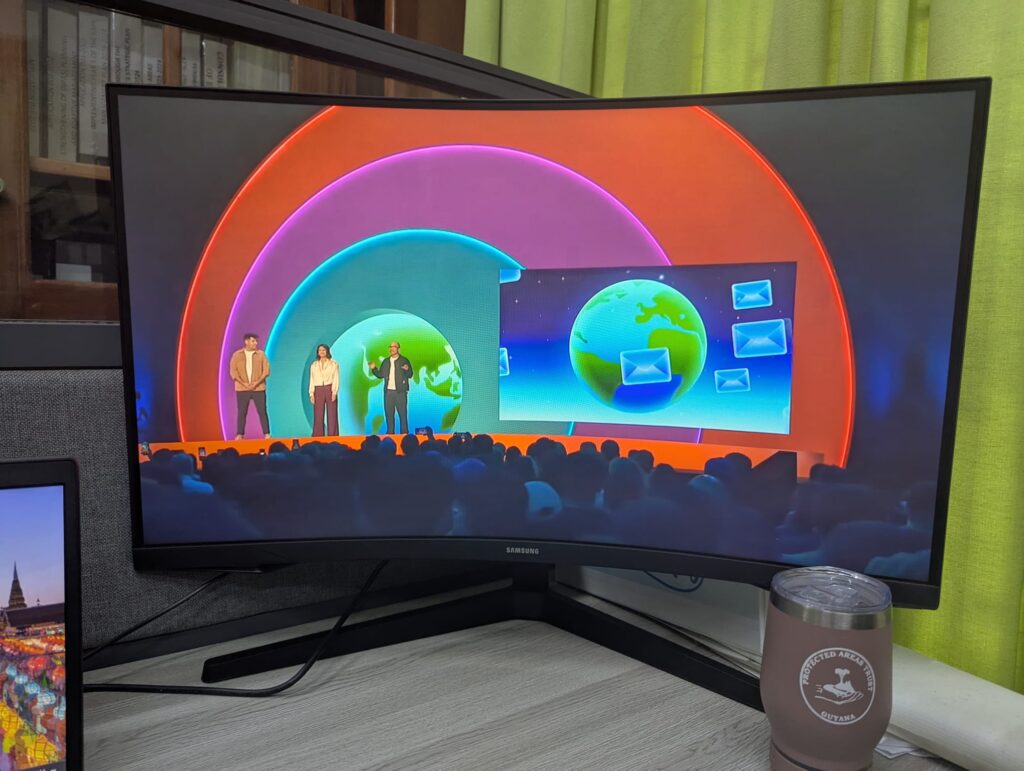
I know this sounds like an ad, but honestly, it’s not. It’s just me being genuinely impressed. I use Canva every single day. I use it for work, for personal projects, and for experiments that no one will ever see. And even after all that, I still feel like I’ve only scratched the surface of what it can do.
A tool rarely makes you want to be better at your craft. Canva does that for me. So, yeah, thank you, Canva.
The Good
Catching up on some great shows and movies this week after a busy few weeks. My Hero Academia is in its final season and I’ve been tearing up at almost every episode.
The Challenge
Focus. Staying on task, keeping projects moving, and balancing multiple teams has been tough, but it’s also sharpening my ability to prioritize what really matters.
What’s Next
I’m really looking forward to Predator: Badlands. The trailers look amazing and I’ve been rewatching some of the older Predator films to get ready. Dan Trachtenberg can do no wrong.




No Comments