Chapter Forty Four: Showing Up Until the End
The year is 2026, and we are back to marketing all things conservation.
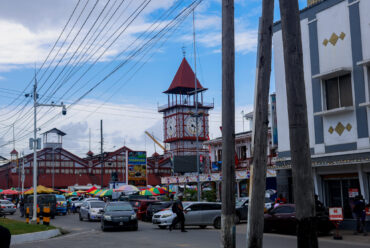
After a short break over the holidays spent resetting, recharging, and being with family in Canada, I found myself once again halfway around the world, landing back in Georgetown. Something is grounding about returning to a place that now feels familiar, even if the work waiting for you is full of endings. This trip marks the final chapter of a project that has shaped much of my last year. While parts of the work will continue beyond my time here, my role is slowly coming to a close, and that reality has made everything feel heavier and more meaningful at the same time.
Coming back with that perspective has made me more aware of how much has happened. The relationships built. The conversations shared. The moments where things clicked and the moments where nothing quite worked. Being here at the end has felt less like tying up loose ends and more like taking stock of what actually matters when it comes to conservation, communication, and impact.
There is a lot of momentum here. Not just within one organization or one project, but across the broader conservation space in Guyana and the Caribbean. You can feel it in the way people talk about the future and in the pride they take in their work. There is real potential, and it becomes obvious very quickly that if you want to support conservation in places like this, the most important thing you can do is show up, listen, and be willing to learn.
Throughout this project, the focus has always been on building understanding around how communications works and how it can continue to work for different teams, different environments, and different goals. That has meant offering structure without imposing systems that do not fit. It has meant sharing expertise while also stepping back enough to let local voices lead. The most rewarding part has been seeing that growth take shape in ways that feel sustainable rather than performative.
At the same time, being at the end of something naturally invites reflection. I have found myself thinking more critically about what actually makes a difference. Not everything that looks good on paper creates real impact. Not every campaign, post, or strategy moves the needle in a way that matters. As a marketing professional, this has been one of the biggest learning curves. Understanding not just what I can do, but why certain things work in some contexts and not in others.
Working internationally and within nonprofits adds layers of complexity that are easy to underestimate. Every organization is structured differently. Every country operates within its own cultural, financial, and political realities. Solutions are rarely transferable in a neat way. Instead, the work becomes about problem-solving from multiple angles, often with limited resources and constantly shifting constraints.
Social media has been a big part of this project, and I still believe deeply in its value. It can build awareness, connect communities, and amplify stories that would otherwise go unheard. But this experience has also reinforced its limitations. Social media alone cannot carry organizational growth. It cannot replace strong internal systems, diversified funding strategies, or long term planning. Recognizing that balance has been important for me, especially as I think about the future of marketing in the conservation space.
What I am taking away from this chapter is a stronger desire to think laterally. To look beyond default solutions. To ask harder questions about growth, strategy, and sustainability. Marketing does not need to follow the same formula everywhere, and it should not. The future of this work feels less about chasing trends and more about positioning organizations in ways that align with their values and realities, even if that path looks unconventional.
As we move into the final weeks here, there is a sense of intention around how things are being wrapped up. There is time being spent on knowledge transfer, documentation, and conversations that ensure the team here is set up to continue long after the project and its funding end. That part matters deeply. Conservation does not stop when a program finishes, and the people on the ground are the ones who carry it forward.
Guyana continues to impress me in that regard. It already punches above its weight in so many global conversations, and there is no reason conservation and biodiversity should be any different. The foundation is there. The commitment is there. The next step is continuing to build systems that support long-term growth and resilience.

The Good
Being back in warm weather has been an immediate comfort. There is something about the climate here that makes daily life feel easier and more grounded.
The Challenge
The biggest challenge has been planning with the knowledge that the end is near. There is a lot to wrap up and not enough time to do everything perfectly.
What is Next
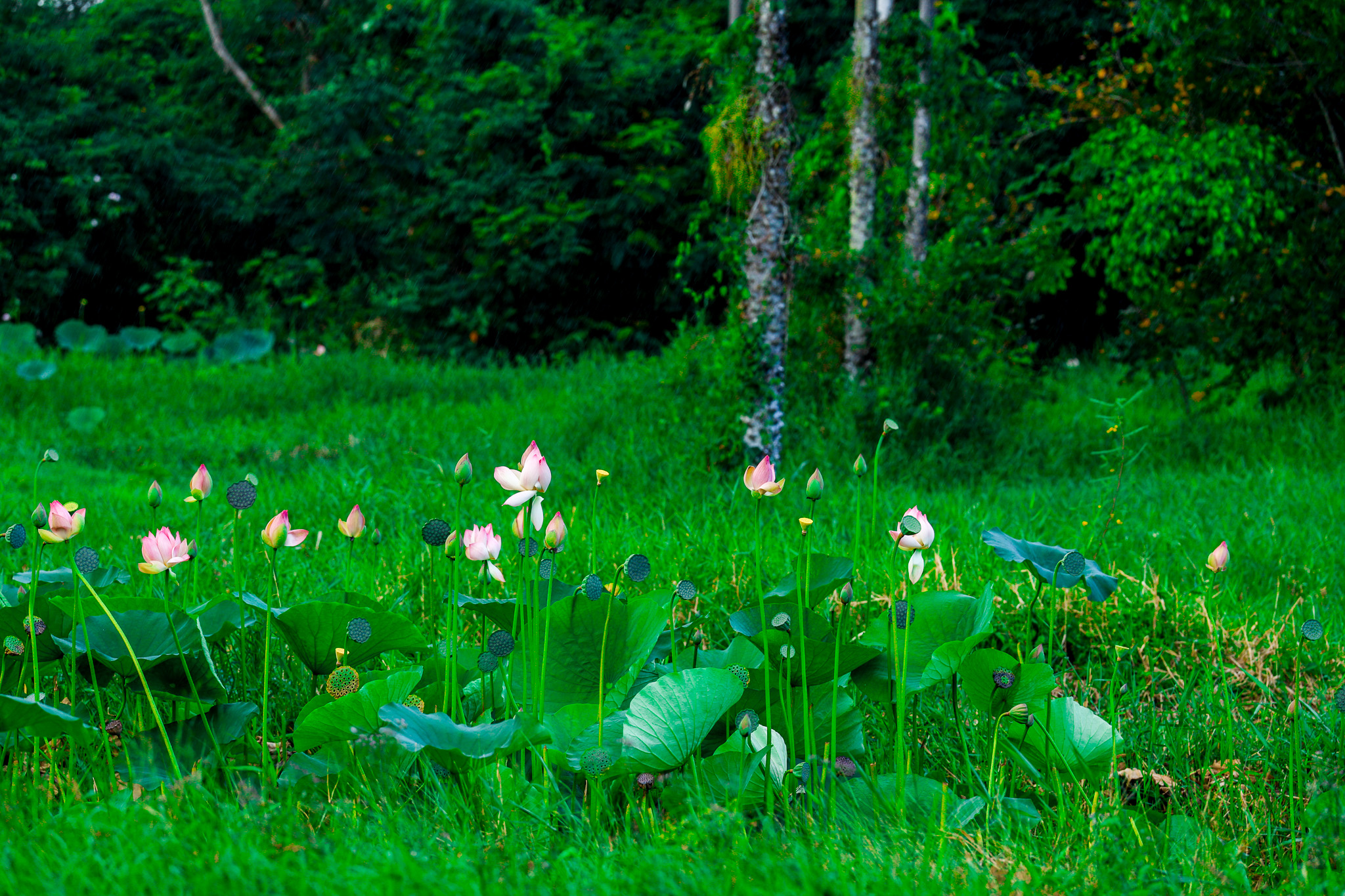
What is next is one final trip out to one of Guyana’s national parks.




No Comments